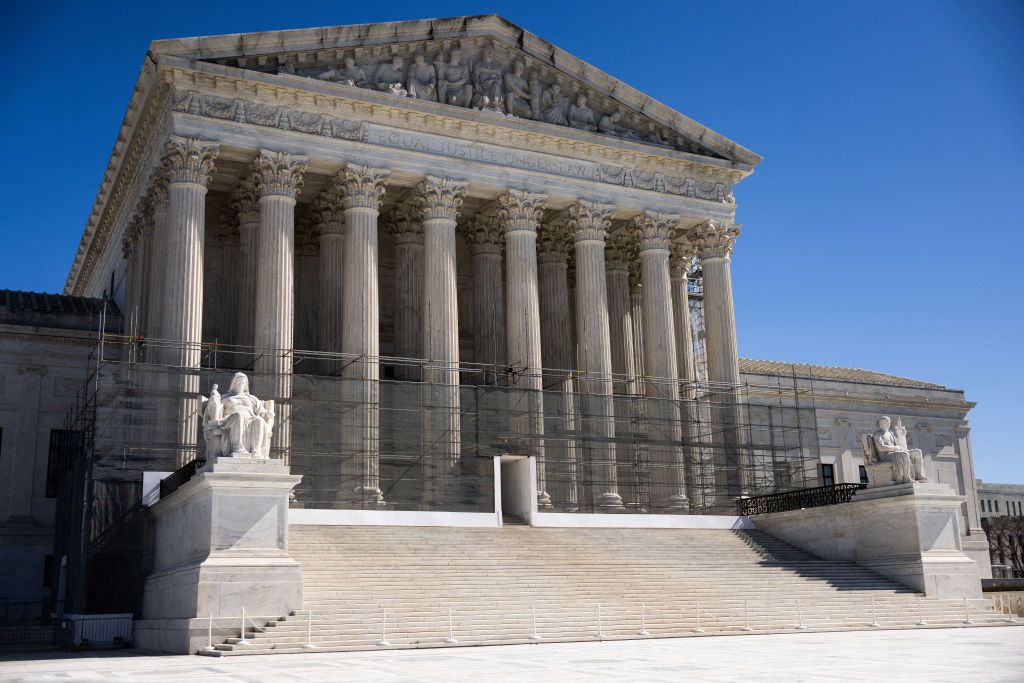
# Court Unanimously Sides with Defendant in Criminal Venue Dispute
The Supreme Court delivered a unanimous decision favoring a criminal defendant in a venue dispute centered on where a crime actually occurs. The ruling clarifies constitutional requirements under the Sixth Amendment and the Venue Clause, both of which guarantee defendants the right to trial in the district where the alleged crime took place.
The case hinged on defining the precise location of a crime when conduct spans multiple jurisdictions. The defendant challenged prosecutors' choice of venue, arguing the trial should occur in a different district based on where the criminal conduct primarily happened. The lower courts had sided with the government's venue selection.
The Supreme Court reversed, holding that courts must apply a straightforward test to determine venue in criminal prosecutions. The decision establishes that the government cannot simply pick a convenient forum when multiple districts have legitimate connections to the offense. Instead, prosecutors must prosecute in the district where the defendant committed the crime or where the defendant's conduct had its primary effect.
This ruling carries significant implications for federal prosecutions. It constrains prosecutorial discretion in forum selection, a power prosecutors traditionally wielded broadly. The decision protects defendants' constitutional rights by ensuring trials occur in districts with genuine geographic connections to the alleged crime, rather than allowing the government to choose strategically advantageous venues.
The unanimous vote signals the court's confidence in the holding across the ideological spectrum. Justices agreed that venue requirements serve core constitutional purposes: protecting defendants' rights to local juries and witnesses, and preventing prosecutorial overreach.
Defense attorneys hailed the decision as strengthening protections against forum shopping. Federal prosecutors now face stricter limitations when multiple jurisdictions have potential connections to criminal conduct. The ruling requires clear analysis of where the crime's essential elements occurred before venue can be properly established.
The case reinforces that Sixth Amendment protections remain robust even as other criminal procedure doctrines have