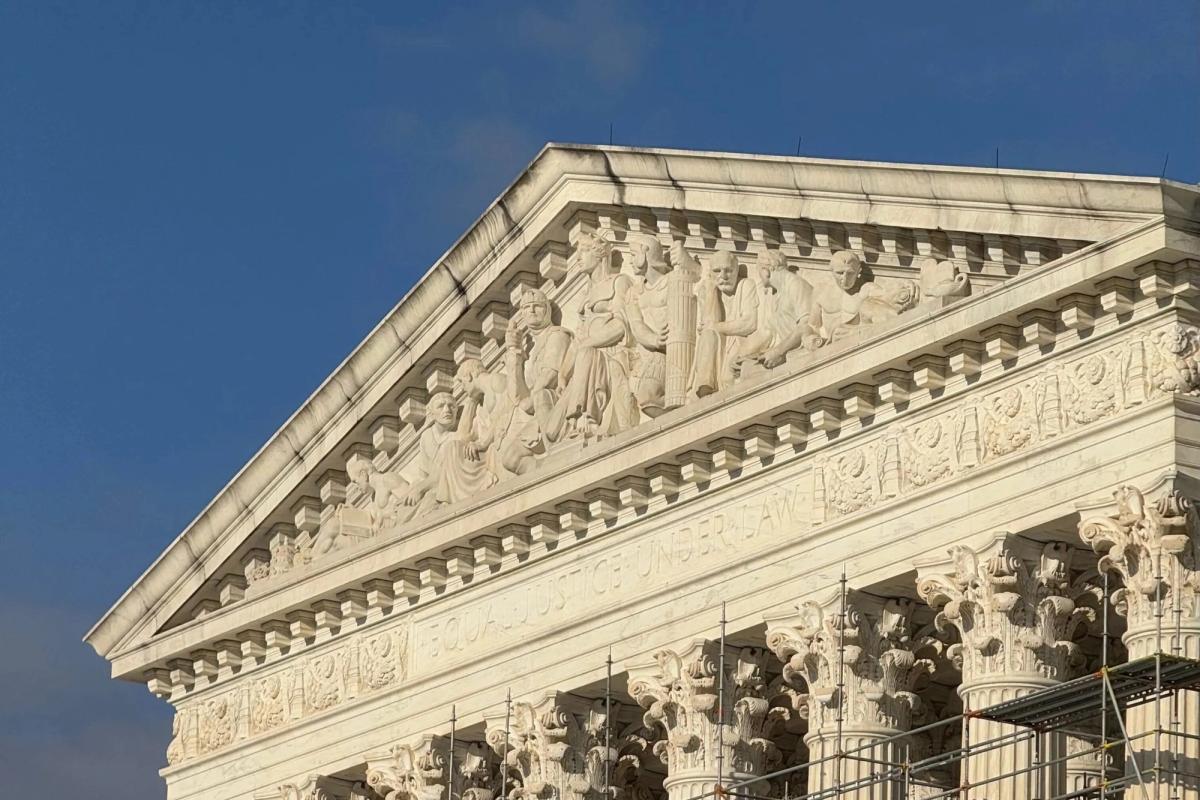
The Supreme Court's recent Second Amendment decision resurrects "habitual drunkard" statutes as a potential constitutional framework for firearm restrictions, reigniting debate over both gun rights and courtroom transparency.
The ruling addresses whether states may prohibit gun possession by individuals with histories of alcohol abuse. The Court grounded its analysis in historical tradition, examining colonial and early American laws that disarmed "habitual drunkards." This historical approach signals the Court's willingness to uphold firearms regulations that tie to longstanding legal traditions, even after its 2022 decision in New York State Rifle and Pistol Association v. Bruen struck down gun laws lacking historical roots.
The practical implications extend beyond alcohol-related firearm bans. States now possess constitutional authority to craft gun restrictions modeled on historical precedents. Legislatures may impose screening mechanisms for substance abuse, creating pathways to temporarily or permanently restrict gun access. Courts will face questions about what constitutes "habitual" status, how to prove it, and what due process protections apply.
The resurrection of habitual drunkard language carries broader implications. These statutes historically targeted not just alcohol consumption but also poor and marginalized populations disproportionately. Modern applications raise equal protection concerns if enforcement proves disparate across racial or socioeconomic lines.
The article's reference to cameras in courtrooms appears connected to transparency surrounding these proceedings. Gun rights cases generate intense public interest. Allowing camera access would expose judicial reasoning and permit public scrutiny of how courts apply the habitual drunkard framework. Transparency advocates argue cameras serve accountability; opponents cite witness intimidation and privacy concerns.
Lower courts will now determine how broadly to interpret the habitual drunkard precedent. Questions about physician reporting requirements, background check database inclusion, and restoration mechanisms remain unresolved. Federal and state legislators face pressure to define statutory terms and procedural safeguards.