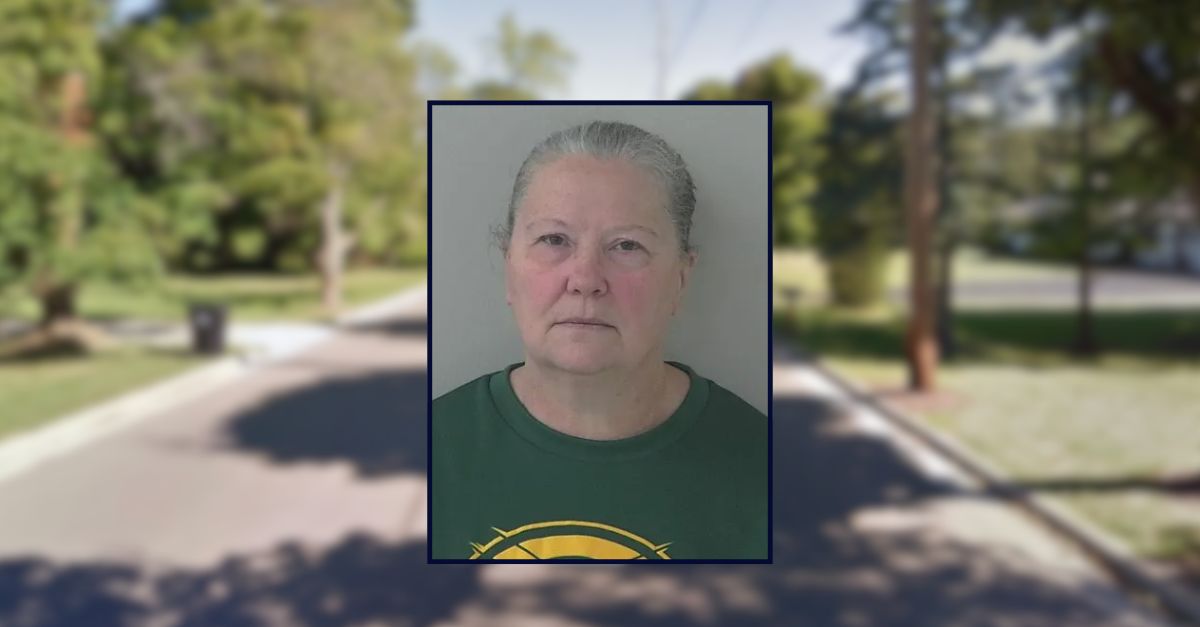
A woman faces arson charges after deliberately setting fire to her ex-boyfriend's barn in what police describe as retaliation for his romantic communications with another woman. The defendant allegedly made incriminating statements to law enforcement immediately upon questioning, asking investigators, "I wanna know what you have already," before later celebrating the destruction with a sundae.
The barn, which the ex-boyfriend characterized as his "dream" structure, was a total loss. Police documentation indicates the fire was intentional and directly connected to the defendant's discovery that her former partner was messaging another woman.
The defendant's conduct during the police interview proved damaging to her defense. Rather than exercising her right to remain silent or consulting an attorney, she engaged law enforcement directly and made statements suggesting consciousness of guilt. Her post-incident behavior, including the celebratory meal, further undermines any potential defense theories of accident or third-party involvement.
Arson statutes typically distinguish between first-degree and second-degree arson, with first-degree arson involving structures occupied or likely to be occupied by humans. The classification affects potential sentencing ranges significantly. Many jurisdictions define arson as the willful and malicious burning of another person's property with intent to destroy it by fire. The defendant's alleged emotional motivation—relationship jealousy—does not diminish the charge's severity under the law.
This case illustrates the dangers of voluntary police interviews without legal representation. The defendant's initial statements and apparent admissions could prove fatal to her case at trial. Prosecutors will likely introduce her words as direct evidence of intent and knowledge of the crime.
Property damage from arson typically results in both criminal penalties and civil liability. The ex-boyfriend may pursue a separate civil action for the barn's replacement value and any consequential damages. Insurance complications often arise when arson is involved, potentially leaving the property owner without recovery.