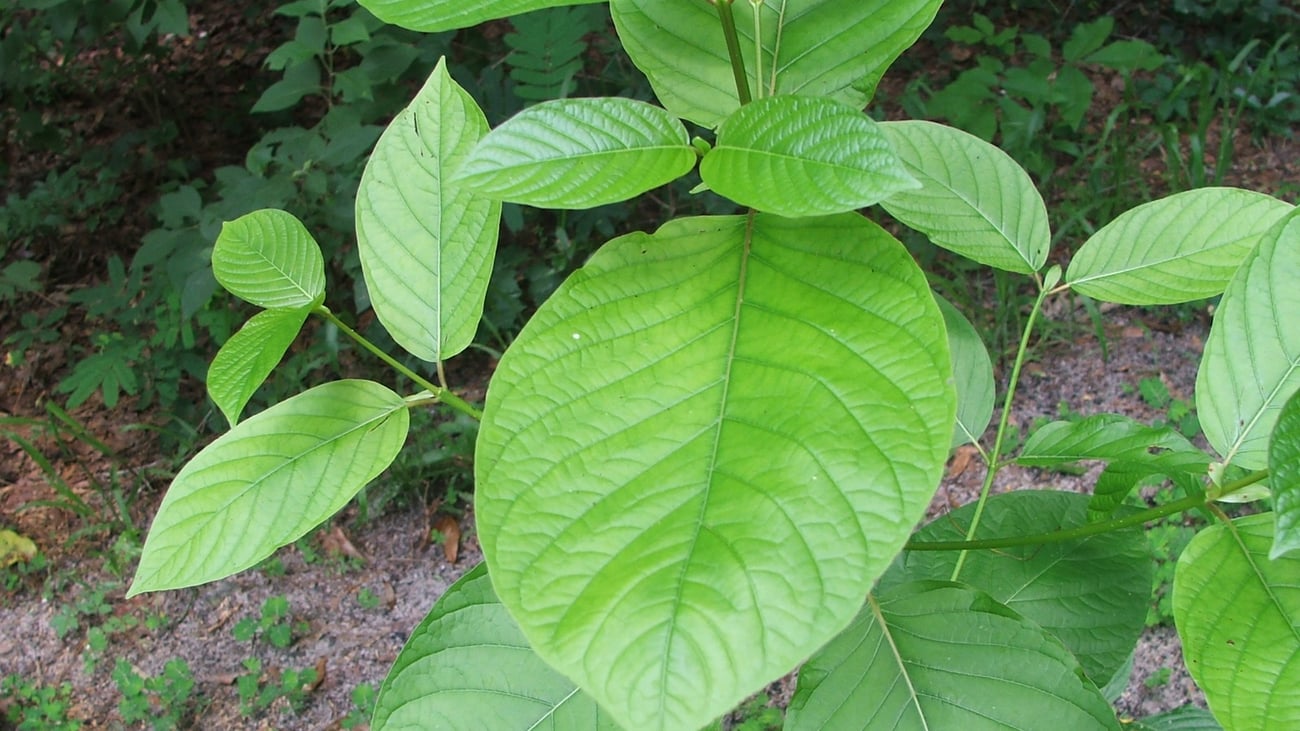
A Virginia state judge in Richmond allowed fraud claims to proceed against major kratom distributors, finding the plaintiff established sufficient allegations that the companies defrauded consumers by marketing their product as safe despite its addictive properties.
The ruling permits the case to advance past the motion-to-dismiss stage, a procedural victory for the plaintiff challenging how these distributors represent kratom in the marketplace. The judge determined the plaintiff's allegations meet the legal threshold for fraud, which typically requires proof that defendants made false statements about a material fact with intent to deceive, causing reliance and damages.
Kratom, a plant-derived substance containing psychoactive alkaloids, occupies a regulatory gray zone in the United States. While the FDA has expressed concerns about kratom's safety and potential for dependence, the substance remains legal in many states and widely available through online retailers and specialty shops. The industry has long marketed kratom as a botanical supplement with minimal addiction risk, positioning it as an alternative to pain medications and opioids.
This ruling carries implications for kratom's largest sellers. If the plaintiff proves the distributors knowingly misrepresented kratom's addictive potential or safety profile, the companies face liability for consumer damages. The decision also signals Virginia courts will scrutinize marketing claims in the kratom space, particularly assertions about safety and dependency.
The case reflects broader litigation trends targeting alternative substance industries. Plaintiffs increasingly challenge vendors who downplay addiction risks or health hazards while promoting unregulated products. Success in this Virginia matter could prompt similar suits in other jurisdictions and pressure distributors to revise labeling and advertising practices.
The ruling does not resolve the underlying fraud claims but clears a significant procedural hurdle. The case will now proceed to discovery and potentially trial, where evidence of the companies' knowledge regarding kratom's addictive properties becomes central. Kratom distributors face mounting legal exposure as consumer