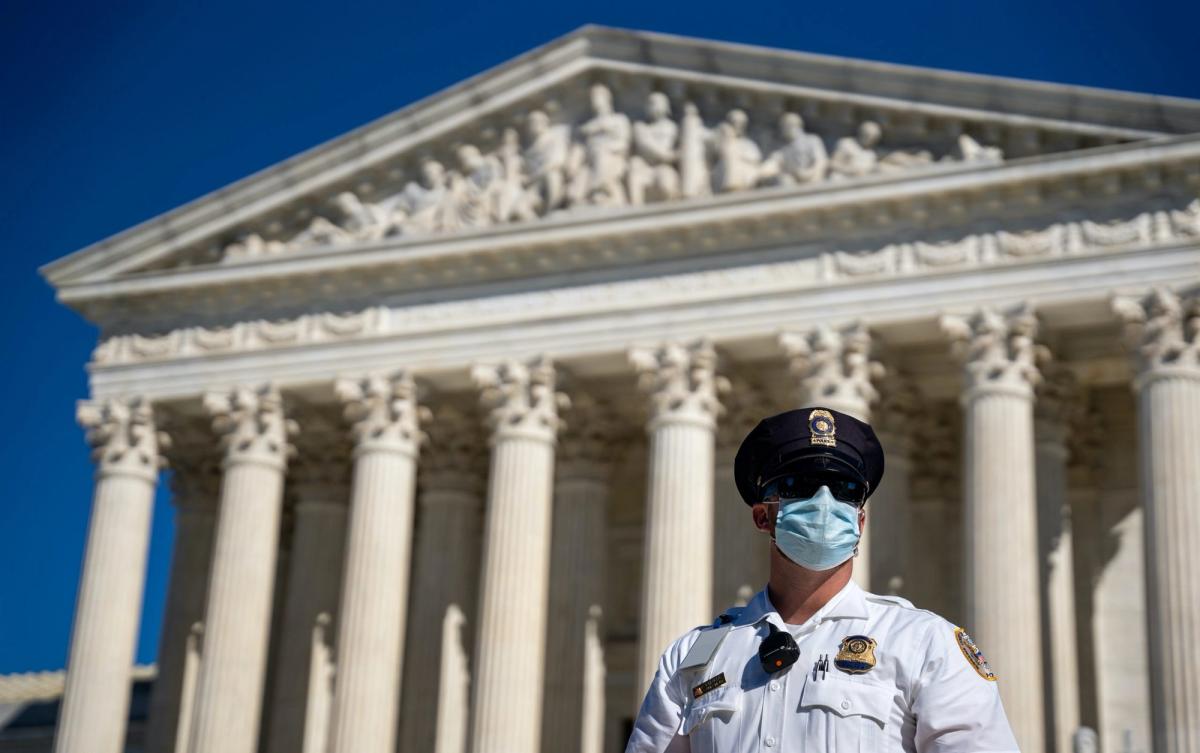
# Supreme Court Justices Face Enhanced Security Measures
The Supreme Court has implemented expanded security protocols to protect justices following threats and incidents targeting members of the bench. The decision reflects heightened concern over judicial safety in an era of polarized litigation and public anger over high-profile rulings.
The justices now receive enhanced security details and protective measures coordinated through federal agencies. This upgrade follows multiple documented incidents, including a man arrested outside Justice Samuel Alito's Maryland home in June 2022 with a gun and tactical gear, and protests outside justices' residences after the leaked draft opinion in Dobbs v. Jackson Women's Health Organization, which overturned Roe v. Wade.
Congress passed the Judicial Branch Safety and Security Act in response to these threats. The statute allocated funding for courthouse security improvements and authorized the Marshal of the Supreme Court to provide protective services to justices and their families. The law takes security measures beyond traditional Capitol Police protection, establishing dedicated teams similar to those protecting other senior federal officials.
The enhanced security carries operational and practical implications. Justices face restrictions on public movement and appearances. The Court itself has closed certain sections to the public and modified visitor access protocols. These changes affect how the institution conducts business and interacts with citizens.
Legal experts note the tension between judicial accessibility and personal safety. Open courts serve constitutional values. Yet unprotected justices cannot function. The Court balances transparency against the need for justices to work without fear.
Threats against federal judges have increased. The American Bar Association documented rising incidents targeting judges nationwide. Enhanced security for Supreme Court justices represents a broader reckoning with judicial safety across the federal system.
The protective measures remain classified in many details. The Marshal's office coordinates arrangements without full public disclosure, recognizing that security effectiveness sometimes requires operational secrecy. This confidentiality itself raises questions about accountability and public oversight of executive protection.