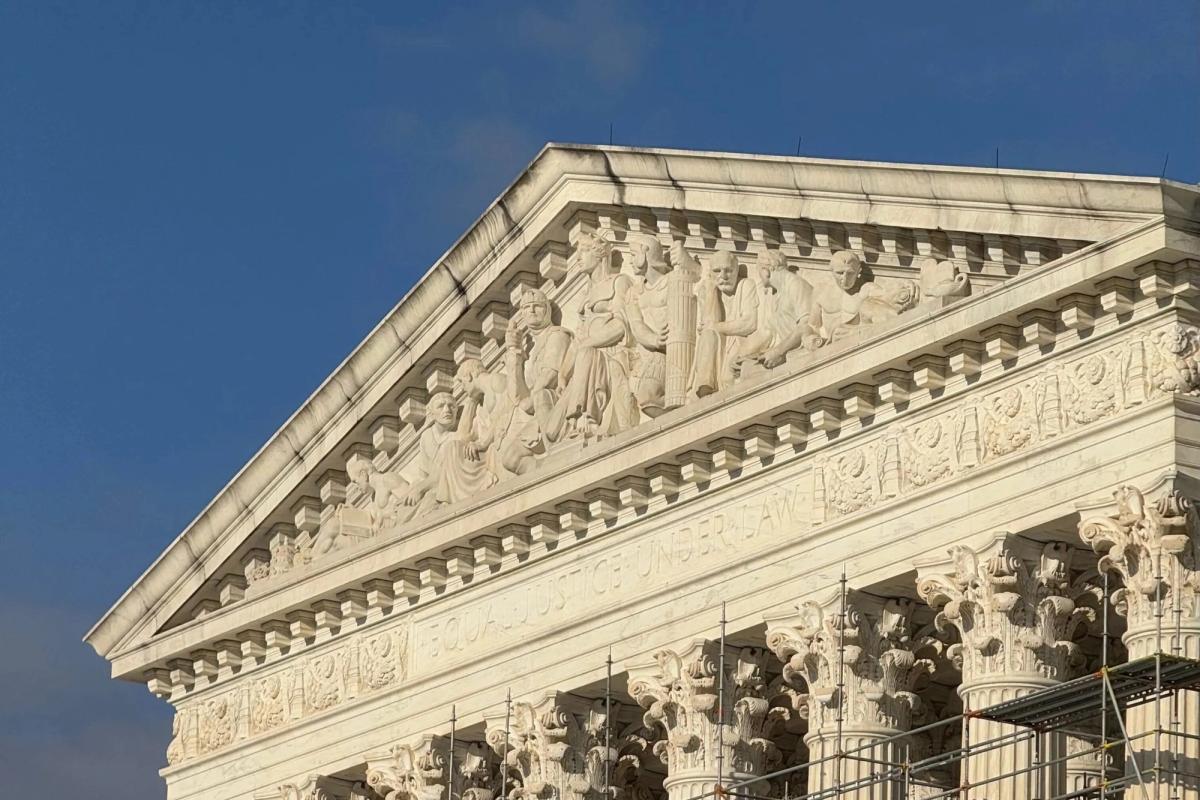
Haitian nationals have filed a request for a Declaratory Judgment of Invalidity (DIG) in a Temporary Protected Status (TPS) case pending before the Supreme Court. The filing targets the validity of administrative decisions affecting TPS designations for Haiti, a program that grants temporary legal status and work authorization to foreign nationals whose home countries face ongoing armed conflict, environmental disaster, or other extraordinary conditions.
TPS allows eligible nationals from designated countries to remain in the United States and work legally while conditions in their home countries improve. The program operates under the Immigration and Nationality Act. Haitian nationals have historically relied on TPS designations, which have been extended periodically since the 1991 coup and subsequent humanitarian crises.
The DIG request signals that plaintiffs challenge the legal foundation or reasoning behind recent TPS determinations affecting Haitian beneficiaries. Such requests typically argue that government action violates statutory authority, constitutional rights, or administrative procedure requirements. The Supreme Court often receives DIG filings in immigration cases where lower courts have issued conflicting rulings or where applicants seek immediate clarity on fundamental legal questions.
This case lands against the backdrop of intensified scrutiny of TPS designations under recent administrations. The Department of Homeland Security has substantial discretion in determining whether countries merit TPS status, but courts have increasingly reviewed whether those determinations follow proper administrative procedure and rest on sufficient evidence.
Haitian nationals represent one of the largest TPS-eligible populations in the United States, with tens of thousands of beneficiaries working and residing in American communities. Any Supreme Court ruling on the validity of Haiti's TPS designation would carry substantial practical consequences for employment, deportation exposure, and family stability for this population.
The case reflects ongoing tension between executive immigration enforcement priorities and statutory protections for nationals from countries experiencing humanitarian crises. A decision against the plaintiffs could expose Haitian benefici