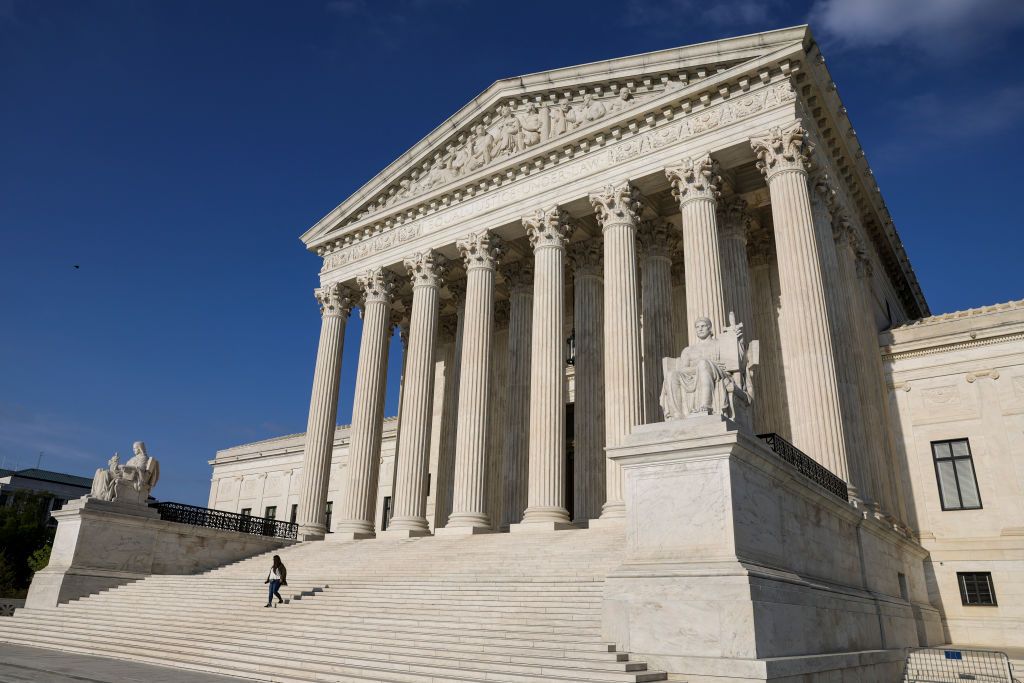
A federal court has struck down a provision of federal gun law that categorically bans individuals with prior drug convictions from possessing firearms, ruling the blanket prohibition violates the Second Amendment.
The decision represents a significant challenge to 18 U.S.C. Section 922(g), which prohibits anyone convicted of a felony drug offense from ever legally owning or possessing a gun. The court found that applying this absolute bar without considering individual circumstances or the severity of the underlying offense runs afoul of Second Amendment protections established in District of Columbia v. Heller, 554 U.S. 570 (2008).
The ruling reflects growing judicial skepticism toward categorical firearm bans in the post-Heller and New York State Rifle & Pistol Association v. Bruen, 142 S. Ct. 2111 (2022) era. Under Bruen's historical test, courts must determine whether gun regulations align with the nation's historical tradition of firearm regulation. The challenger's attorney argued the government failed to demonstrate historical precedent for permanently stripping firearm rights based solely on drug conviction status.
The federal government maintains that drug felons pose elevated public safety risks and that regulating their gun access falls within constitutional bounds. Prosecutors routinely invoke Section 922(g) in criminal cases, particularly in prosecutions involving armed drug dealers or convicted offenders found with weapons.
This decision creates immediate practical implications. Federal prosecutors may face hurdles enforcing Section 922(g) in cases where defendants challenge its constitutionality. The ruling does not prohibit Congress from crafting a more tailored restriction that considers mitigating factors or distinguishes between different drug offenses, but any revised statute would require clear historical justification under Bruen's framework.
The decision will likely prompt appeals and potentially reach the Supreme Court, as circuit splits develop