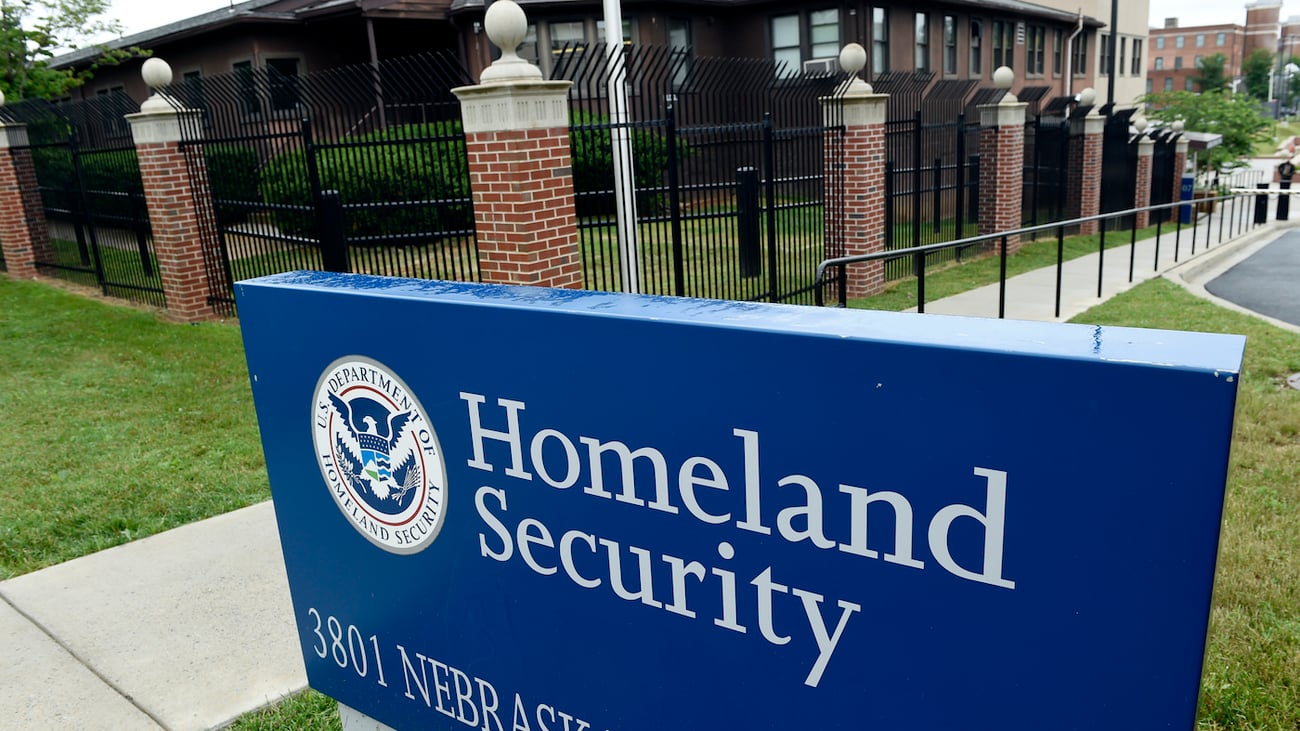
A federal judge in California indicated he would likely grant a preliminary injunction blocking enforcement of Trump administration conditions that tie federal grants to diversity, equity and inclusion (DEI) commitments and immigration enforcement participation by local governments.
The ruling came during oral arguments in a case brought by California and Oregon municipalities challenging grant conditions imposed by the Department of Homeland Security (DHS) and the Department of Justice (DOJ). These conditions require recipient jurisdictions to adopt DEI initiatives and cooperate with federal immigration enforcement efforts as prerequisites for federal funding.
The judge signaled he would grant the injunction against DHS and DOJ, finding the plaintiffs likely demonstrated a likelihood of success on the merits and irreparable harm from enforcement. However, he expressed skepticism about whether the municipalities had standing to challenge similar conditions imposed by the Department of the Interior, a distinct agency claim requiring separate analysis.
The municipalities argue these grant conditions violate their autonomy and constitute unconstitutional coercion under the Spending Clause. They contend the federal government cannot condition federal funding on local adoption of policies that conflict with their governance priorities.
The Trump administration maintains the conditions advance legitimate federal objectives: promoting equal opportunity through DEI requirements and ensuring public safety through immigration enforcement coordination. These positions reflect executive branch priorities set through budget guidance and agency directives.
A preliminary injunction would temporarily halt enforcement pending full litigation on the merits. The judge's skepticism regarding DOI challenges suggests the court may split its ruling. The municipalities face higher thresholds proving standing against the Interior Department compared to DHS and DOJ, which directly administer the challenged grant programs.
This case reflects broader constitutional tensions between federal spending power and local government independence. The outcome will affect how federal agencies structure grant conditions and whether municipalities can resist conditions tied to enforcement of national priorities. Resolution of the standing question regarding the Interior Department remains pending.