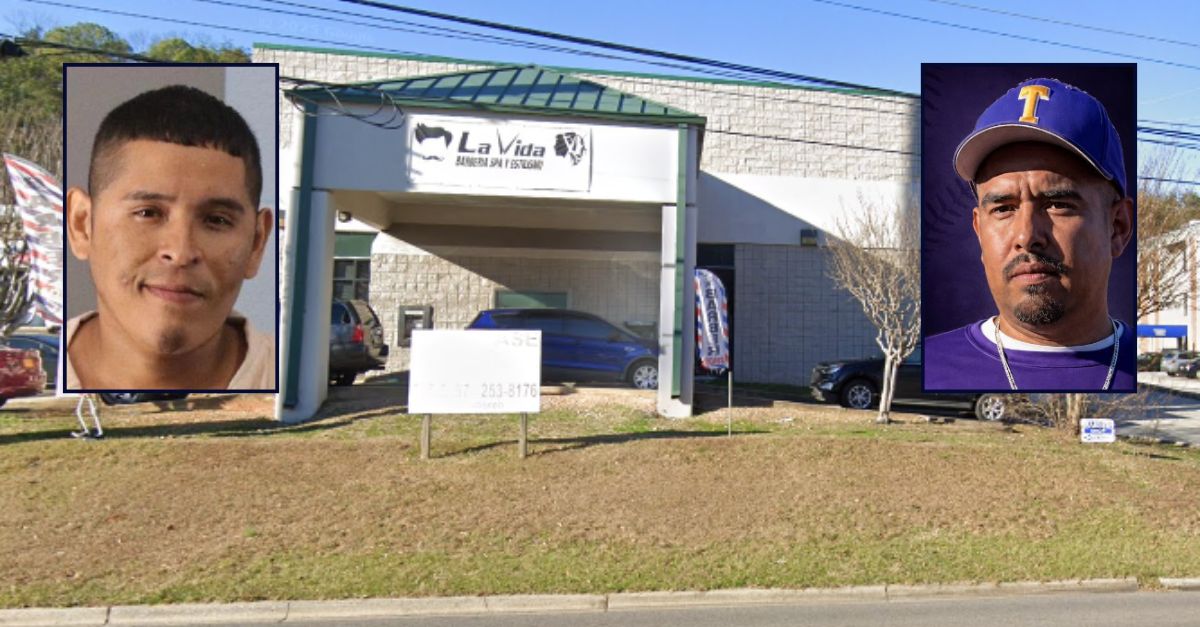
A youth baseball coach in Alabama was fatally shot outside a barbershop following an argument with an acquaintance, according to police reports. The shooting occurred in the presence of the victim's wife and four children, all of whom witnessed the lethal confrontation.
Law enforcement officials identified the shooter as someone known to the victim, indicating the incident stemmed from a dispute between the two men. The circumstances surrounding the argument remain under investigation, though authorities confirmed the shooting took place in a public location during daytime hours.
The case presents multiple legal and investigative dimensions. Prosecutors will examine whether the shooting qualifies as murder, voluntary manslaughter, or involuntary manslaughter under Alabama law, depending on evidence of premeditation and the shooter's mental state. The presence of multiple witnesses, including the victim's spouse and minor children, strengthens potential prosecution evidence and raises questions about trauma-related civil claims the family may pursue.
Alabama's self-defense statutes, including Stand Your Ground provisions, may feature in the defendant's legal strategy. Investigators must determine whether the shooter claimed self-defense or whether evidence establishes unlawful aggression. Witness testimony from family members present at the scene holds particular evidentiary weight, though trauma considerations apply to minors providing accounts of parental violence.
This incident triggers broader discussions about gun violence in public spaces and the adequacy of firearm regulations. The shooting's circumstances—occurring at a commercial establishment with multiple civilian witnesses—underscore recurring patterns in fatal disputes involving acquaintances.
The case's trajectory through Alabama's criminal justice system will address charging decisions, bail determinations, and potential trial proceedings. Victim's rights considerations apply given the family members' presence and resulting psychological trauma. Defense counsel will likely challenge evidence sufficiency and explore mental health or provocation defenses under applicable state law.
The barbershop shooting exemplifies how neighborhood disputes escalate to lethal force,