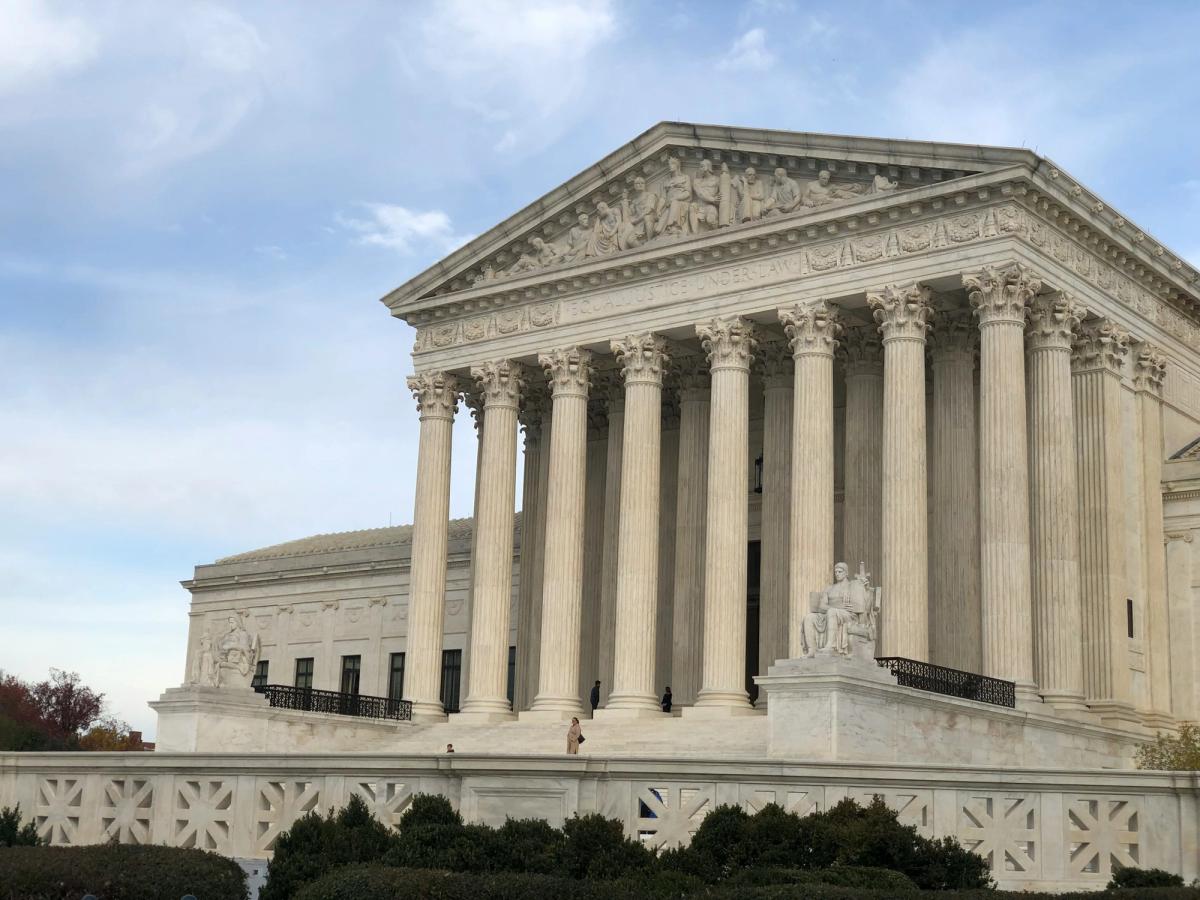
The U.S. Supreme Court has substantially limited the reach of the First Step Act of 2018, a landmark bipartisan criminal justice reform law designed to reduce recidivism and provide inmates with rehabilitation opportunities. In a recent decision, the Court narrowed the statute's application in ways that restrict how federal prisoners can challenge their sentences and access sentence reductions.
The First Step Act permits federal judges to reduce sentences for inmates who complete rehabilitation programs while imprisoned. The statute also allows defendants to file motions for sentence reductions based on changes in sentencing law. However, the Supreme Court's interpretation has created significant barriers to accessing these provisions.
The decision limits prisoner eligibility for sentence reductions, particularly for those convicted under prior versions of federal sentencing guidelines that the legislature later amended. This interpretation means many inmates cannot benefit from more lenient sentencing laws enacted after their convictions, even when Congress intended the reforms to apply retroactively.
Criminal defense advocates and reform organizations view this ruling as undermining Congress's bipartisan effort to reduce mass incarceration. The practical effect places thousands of federal prisoners beyond the reach of sentence-reduction mechanisms Congress created. Prisoners serving lengthy sentences under outdated sentencing regimes lose opportunities for relief based on rehabilitation progress or changes in law.
The ruling reflects ongoing judicial restraint in expanding prisoner rights. Federal district courts must now apply narrower standards when evaluating sentence reduction motions. This limits judges' discretion in fashioning individualized relief based on rehabilitation records and statutory amendments.
For the Bureau of Prisons and federal sentencing practice, the decision creates administrative clarity but reduces incentives for inmate participation in rehabilitation programs. Federal prosecutors face fewer challenges to sentences they secured under previous sentencing frameworks.
The decision raises questions about judicial review of prosecutorial decisions and sentencing discretion. Federal judges retain statutory authority to reduce sentences, but the Supreme Court's interpretation constrains when and how they exercise