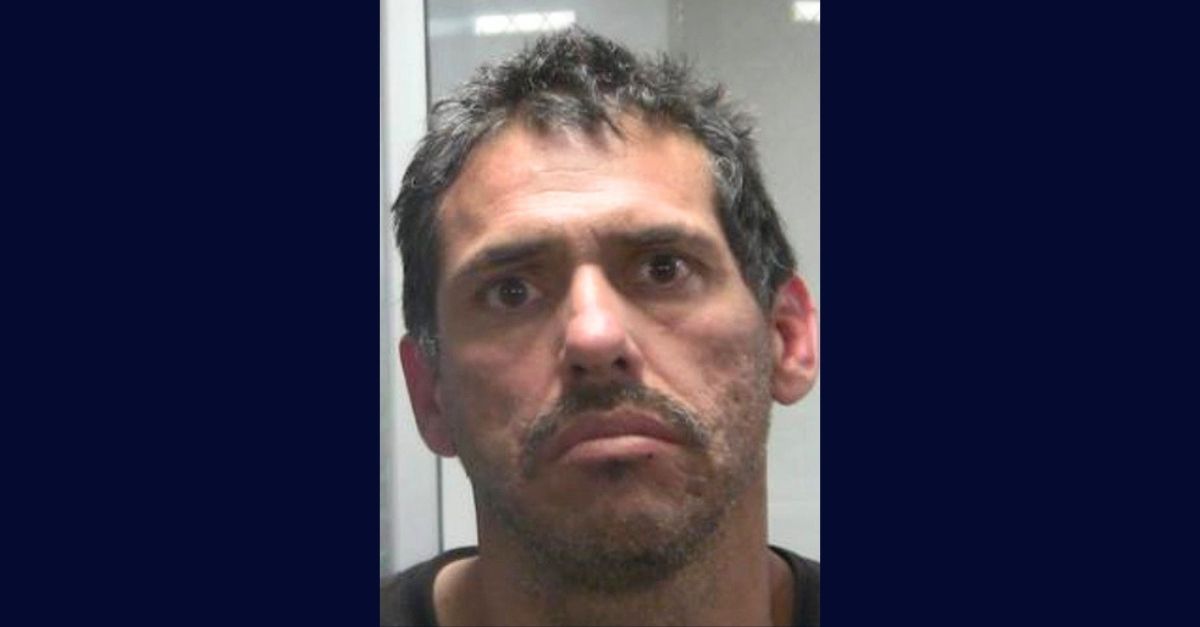
An Idaho man faces charges after police say he attacked a woman over three consecutive days because she was cleaning instead of paying attention to him. The suspect hurled a collapsible table at the victim's face, beat her repeatedly, and strangled her during the extended assault.
The victim escaped by fleeing into a neighbor's recreational vehicle, where she sought refuge and subsequently contacted law enforcement. Police responded and arrested the suspect based on the victim's account of the sustained violence.
The case exemplifies domestic violence aggravated by trivial triggers. The defendant's rage over household chores—and the victim's focus on cleaning rather than providing him attention—escalated into felony battery and assault. Extended assaults spanning multiple days demonstrate a pattern of control and escalating brutality rather than isolated incidents.
Idaho law recognizes domestic battery as a serious offense. Under Idaho Code Section 39-6203, battery in a domestic context constitutes a felony when it results in injury or repeated acts of violence. Strangulation specifically triggers enhanced charges under Section 18-923, which criminalizes strangulation and choking as stand-alone felonies due to the grave risk of death and serious bodily harm.
The victim's successful escape and immediate report to authorities bolstered the prosecution's case. Neighbor witnesses who provided shelter created additional corroborating accounts. The three-day timeline establishes a continuous domestic assault pattern rather than a momentary loss of control, strengthening charges and sentencing recommendations.
For the defendant, convictions on aggravated battery, strangulation, and domestic violence offenses carry substantial prison sentences in Idaho. The extended duration and repeated acts of violence position this case for elevated sentencing under Idaho's domestic violence enhancement statutes.
The case reinforces that domestic violence prosecutions depend heavily on victim testimony and swift reporting. The victim's decision to escape and contact police created the evidentiary foundation