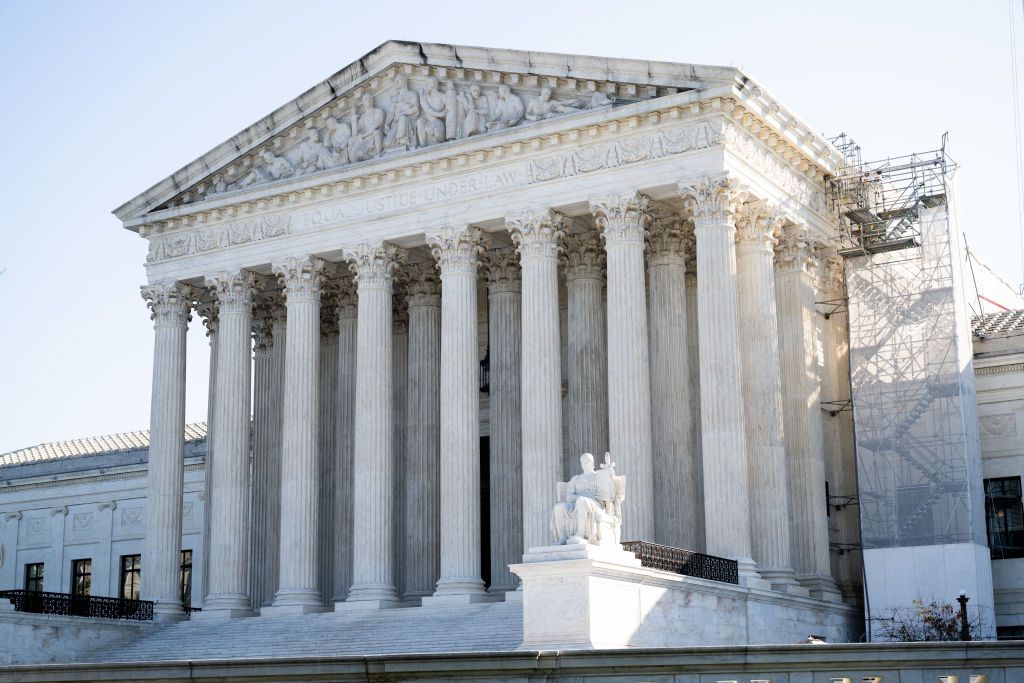
The Supreme Court faces mounting delays in releasing opinions as the 2023-2024 term progresses. The justices have issued 28 opinions through late May, well below the historical pace needed to complete all argued cases before the traditional June recess.
At this point in previous terms, the Court typically releases 40 to 50 opinions. The current trajectory suggests numerous decisions will spill into summer months, extending the term beyond its customary conclusion. This pattern mirrors delays from the 2021-2022 term, when the Dobbs decision overturning Roe v. Wade consumed substantial drafting and negotiation time among the justices.
Court observers attribute the slowdown to several factors. Complex constitutional questions pending before the bench require extensive deliberation. Multiple blockbuster cases remain undecided, including matters involving presidential immunity, voting rights, and administrative law. The internal dynamics of the nine-justice body create natural friction when producing majority opinions addressing contentious constitutional doctrine.
The delay carries practical consequences for litigants awaiting resolution. Parties with cases still pending cannot move forward with business or legal planning. Lower courts cannot resolve related matters dependent on Supreme Court guidance. The legal system operates in a holding pattern.
Historical data shows opinion output varies substantially. Chief Justice John Roberts has emphasized efficiency in recent years, yet the Court's docket contains unusually complex cases this term. Justices must balance speed against thoroughness when interpreting constitutional text and precedent.
The Court has not announced a firm deadline for completing the term. Tradition suggests decisions arrive by late June, but no formal rule binds the justices to that schedule. Some observers predict opinions could trickle through early July or later. The extended timeline reflects the difficulty inherent in reaching consensus on high-stakes constitutional questions affecting millions of Americans. Federal judges, lawmakers, and citizens all await clarity on how the Court will resolve this term's