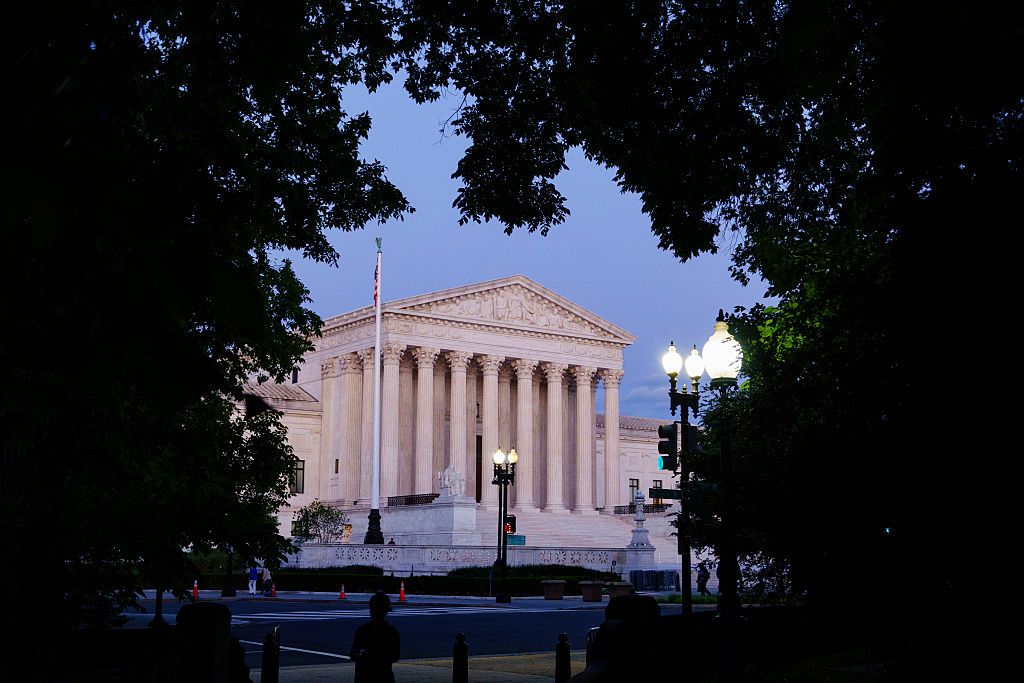
Haitian nationals have petitioned the U.S. Supreme Court to dismiss a legal challenge questioning whether the Trump administration properly terminated Temporary Protected Status (TPS) for Haiti. The case centers on whether the administration followed proper administrative procedures when it ended TPS designations.
TPS allows foreign nationals from designated countries experiencing armed conflict, natural disaster, or epidemic conditions to remain and work in the United States temporarily. Haiti received TPS designation after the devastating 2010 earthquake. The Trump administration moved to end Haiti's TPS in 2017, citing improved conditions.
The Haitian citizens argue the justices should throw out the case on technical grounds rather than address the underlying merits. Their motion suggests the dispute has become moot or lacks standing for continued litigation. This petition strategy could allow the Court to avoid a full ruling on whether the administration satisfied the Administrative Procedure Act's requirements for terminating TPS.
Legal observers view the dismissal motion as a potential exit for the Supreme Court from a politically sensitive immigration case. A ruling upholding the administration's termination could affect thousands of Haitians living in the United States. Conversely, blocking the termination would contradict the executive branch's immigration authority.
The case implicates broader questions about executive power to manage immigration status and the scope of judicial review over administrative agency decisions. The APA requires agencies to provide reasoned explanations for major policy changes affecting substantial populations. Whether the Trump administration's TPS termination met this standard has generated significant litigation.
The petition reflects tension between judicial oversight of executive immigration decisions and respect for executive discretion in this domain. If the Court accepts the dismissal motion, it would sidestep ruling on whether the administration's TPS termination complied with statutory and constitutional requirements. Lower courts previously grappled with similar challenges to other TPS terminations under the same administration.
The outcome will affect not only H