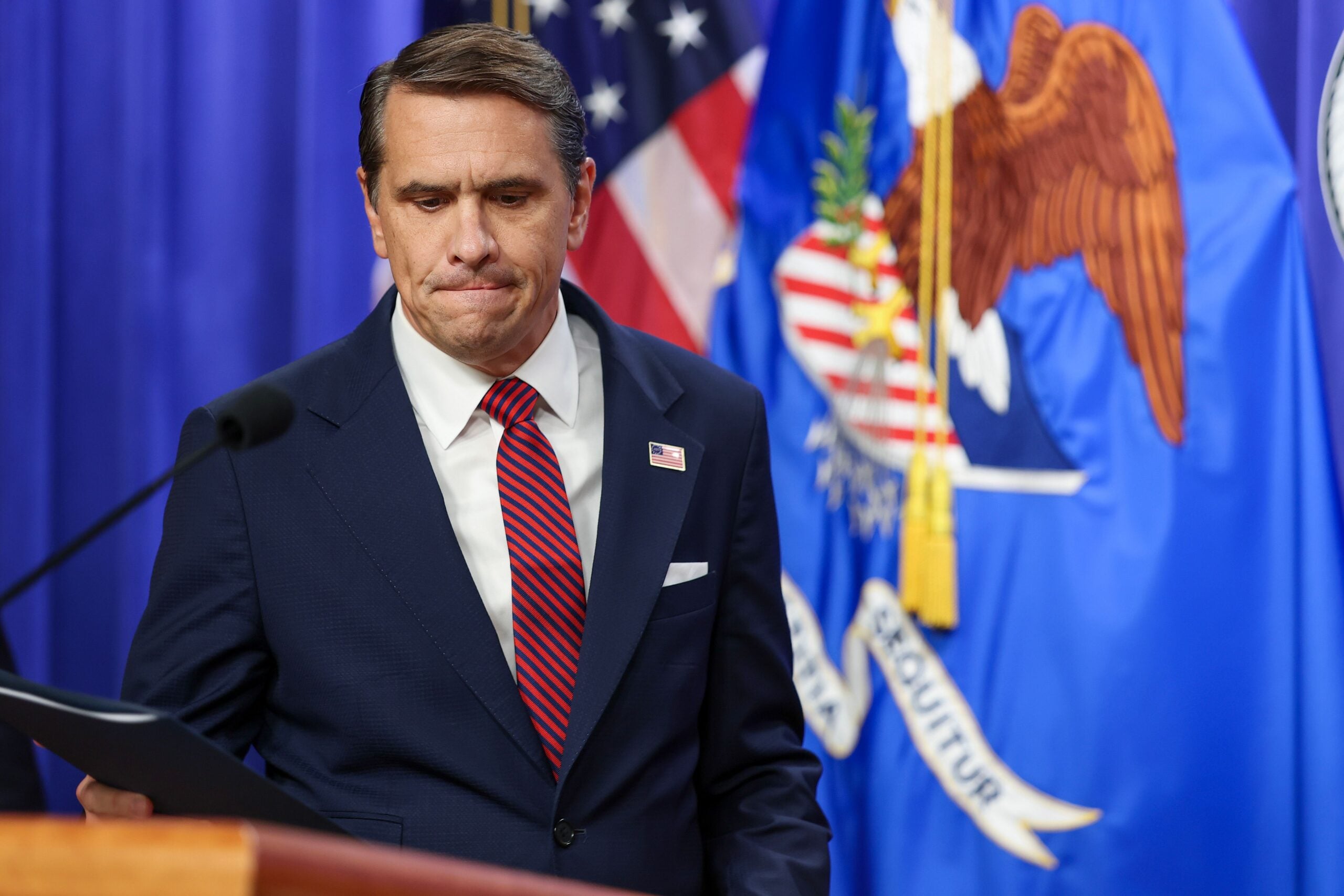
Todd Blanche faces mounting professional and ethical scrutiny following criticism from the New York Times editorial board, which questioned his fitness for office. The judgment reflects concerns about Blanche's conduct and judgment in high-profile matters.
The criticism extends beyond editorial opinion. A Department of Justice lawyer connected to Blanche's circle encountered a bar ethics complaint for attempting to profit from a failed slush fund scheme. The lawyer's attempt to distance himself from the arrangement through retraction did not shield him from disciplinary action. Bar associations increasingly reject arguments that withdrawal or recantation eliminates ethical violations when the underlying misconduct involved apparent attempts to monetize failed legal initiatives or government programs.
The situation underscores broader patterns affecting legal professionals in government service. Bar ethics rules prohibit lawyers from exploiting positions of authority or failed initiatives for personal gain. The complaint suggests the DOJ lawyer attempted exactly that before backing away, a sequence that does not erase the underlying violation.
Blanche's troubles also intersect with professional networking dynamics. Legal industry observers note that careless networking choices and association with ethically compromised figures can quietly damage attorney reputations and referral sources. Clients and opposing counsel track patterns of conduct. Professional relationships fractured by ethical lapses create lasting consequences for practice development and courtroom credibility.
These developments carry practical weight for legal professionals. Bar associations nationwide pursue ethics complaints based on attempts to capitalize on failed initiatives or misuse government connections, regardless of subsequent disclaimers. The DOJ lawyer's case demonstrates that timing and context matter. Courts and disciplinary panels examine whether attorneys acted to profit before facing scrutiny or only retreated after detection.
For attorneys in government service or seeking judicial or administrative appointment, ethical vigilance proves essential. The Times editorial judgment on Blanche's fitness signals that media outlets and the legal community assess not just criminal conduct but patterns of judgment and professionalism. These assessments influence appointment decisions,