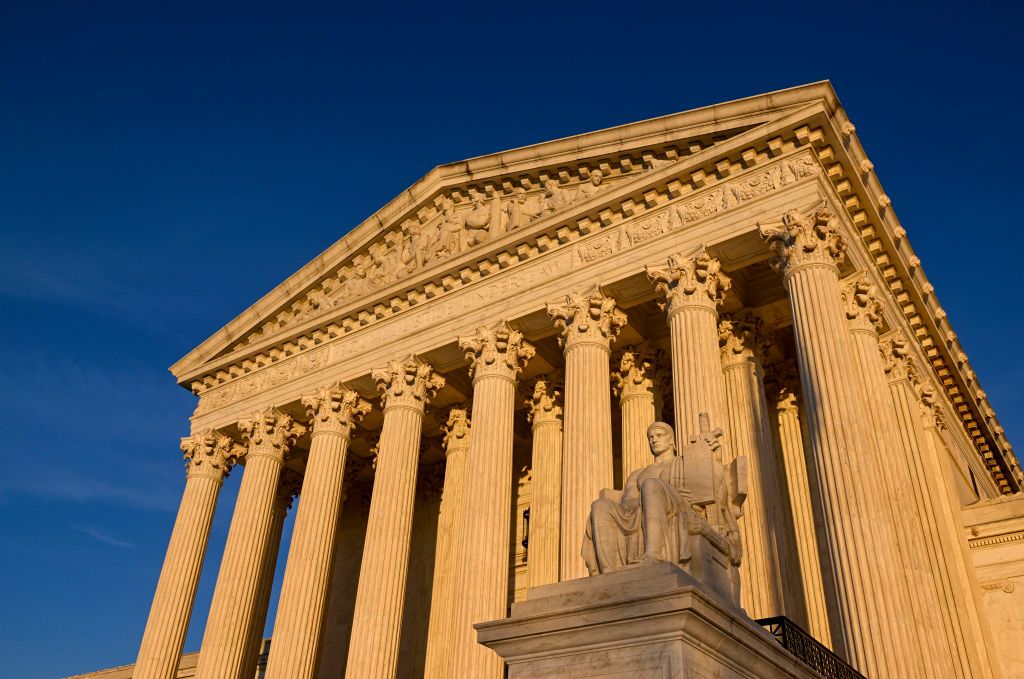
# Supreme Court's June Decisions Reshape American Law
The Supreme Court issued nine decisions during its final nine days of the 2023 term in June, fundamentally altering legal doctrine across affirmative action, voting rights, and LGBTQ protections.
The most consequential ruling came in Students for Fair Admissions v. Harvard University and Students for Fair Admissions v. University of North Carolina. Chief Justice John G. Roberts Jr. wrote for a 6-3 majority that race-conscious admissions programs at elite universities violate Title VI of the Civil Rights Act of 1964. The decision eliminates decades of precedent permitting universities to consider race as one factor among many to achieve diverse student bodies. Public and private institutions nationwide must immediately revise admissions policies.
The Court also narrowed the Voting Rights Act in Shelby County v. Alabama's successor cases, restricting the federal government's ability to challenge state election laws. This compounds the 2013 Shelby County decision that gutted preclearance requirements for jurisdictions with histories of discrimination.
Justice Clarence Thomas authored a significant Second Amendment opinion upholding gun rights while the Court addressed religious liberty claims in multiple contexts. A 6-3 decision protected religious organizations from employment discrimination lawsuits, expanding ministerial exceptions established in prior cases.
On LGBTQ rights, the Court's decision in 303 Creative LLC v. Elenis permitted a website designer to refuse service to same-sex couples based on religious objections, narrowing public accommodations protections under Colorado's antidiscrimination law.
Justice Ketanji Brown Jackson's dissents grew sharper as the term progressed. She argued the affirmative action ruling ignored systemic racism's ongoing effects and warned that recent decisions dismantle civil rights protections built over decades.
The June decisions reflect the current Court