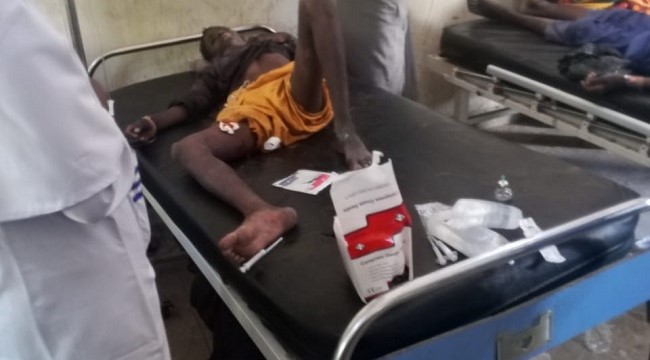
The Nigerian Air Force launched an investigation into allegations of civilian deaths following airstrikes near Jilli Market in Geidam Local Government Area, Yobe State. Air Commodore Ehimen Ejodame, Director of Public Relations and Information at NAF headquarters, announced the probe in a Sunday statement.
The investigation addresses claims that civilians were killed during military operations targeting suspected insurgent positions around Fuchimiram village. NAF has not disclosed details about the alleged casualties or the specific circumstances surrounding the strikes.
This inquiry carries implications for international humanitarian law compliance and potential accountability under Nigerian military regulations. The Nigerian Air Force operates under rules of engagement requiring distinction between civilian and military targets during combat operations. Investigations into civilian casualty allegations typically examine whether military forces took adequate precautions to minimize harm to non-combatants and whether strikes targeted legitimate military objectives.
The probe occurs amid ongoing counterinsurgency operations in Nigeria's northeast against Boko Haram and Islamic State West Africa Province (ISWAP). Military airstrikes form a core component of Nigeria's security strategy, yet they frequently generate civilian casualty reports from human rights organizations and local communities.
The results of NAF's investigation could affect operational procedures, training protocols, and the military's public credibility. International humanitarian organizations, including Human Rights Watch and Amnesty International, have documented allegations of civilian deaths in Nigerian military operations. Documented violations can trigger international pressure for accountability and potential investigations by international bodies.
Nigeria ratified the Geneva Conventions and is bound by customary international humanitarian law principles governing armed conflict. Systematic documentation of alleged violations and transparent investigations demonstrate compliance with these obligations. The NAF's willingness to investigate demonstrates institutional accountability mechanisms, though critics argue investigations must include independent oversight to ensure credibility.
The investigation's scope and findings will likely influence how civilian casualty claims are handled in future operations and whether stakeholders perceive the