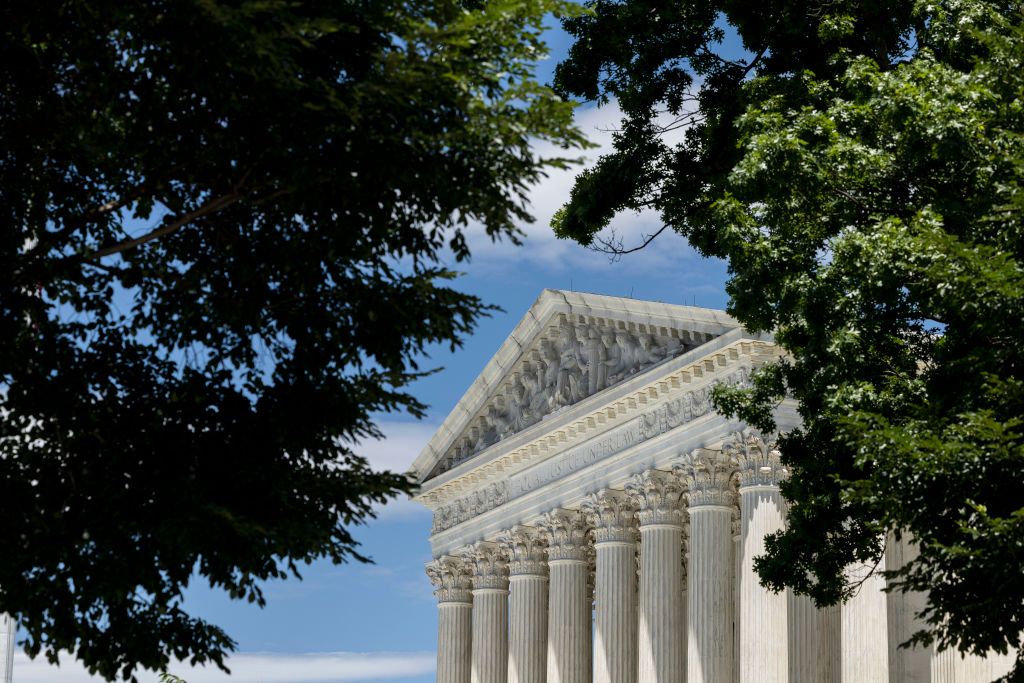
A coalition of tech industry groups and civil rights organizations has petitioned the U.S. Supreme Court to block Texas from enforcing its age-verification and parental-consent law on digital platforms and apps. The statute requires social media companies, video-streaming services, and other online platforms to verify users' ages and obtain parental consent before allowing minors to access their services.
The petitioners argue the law violates the First Amendment by imposing content-based restrictions on speech. They contend the statute effectively forces platforms to implement age-gating mechanisms that infringe protected expression and unconstitutionally delegate state authority to private companies to police minors' online activity.
Tech industry representatives assert compliance costs burden smaller apps disproportionately and that the law's vague definitions create operational chaos. The parental-consent requirement, they argue, shifts child safety responsibility from parents to corporations without establishing effective safety benefits.
Civil rights advocates emphasize the law threatens LGBTQ youth and other vulnerable populations who rely on online platforms for health information, peer support, and community connection. They warn age-verification systems expose minors to privacy risks and discriminatory access based on algorithmic determinations.
The Texas law represents a growing state-level push to regulate social media platforms through age restrictions. Similar statutes have been enacted or proposed in multiple states, creating a fragmented regulatory landscape that petitioners say conflicts with federal oversight and interstate commerce principles.
Lower courts have not yet ruled on the constitutionality of Texas's specific statute, but comparable legislation has faced legal challenges in other jurisdictions. The Supreme Court's decision whether to grant certiorari will signal the justices' interest in addressing whether states can impose age-verification and parental-consent requirements on digital platforms without violating constitutional protections for minors' and platforms' speech rights.