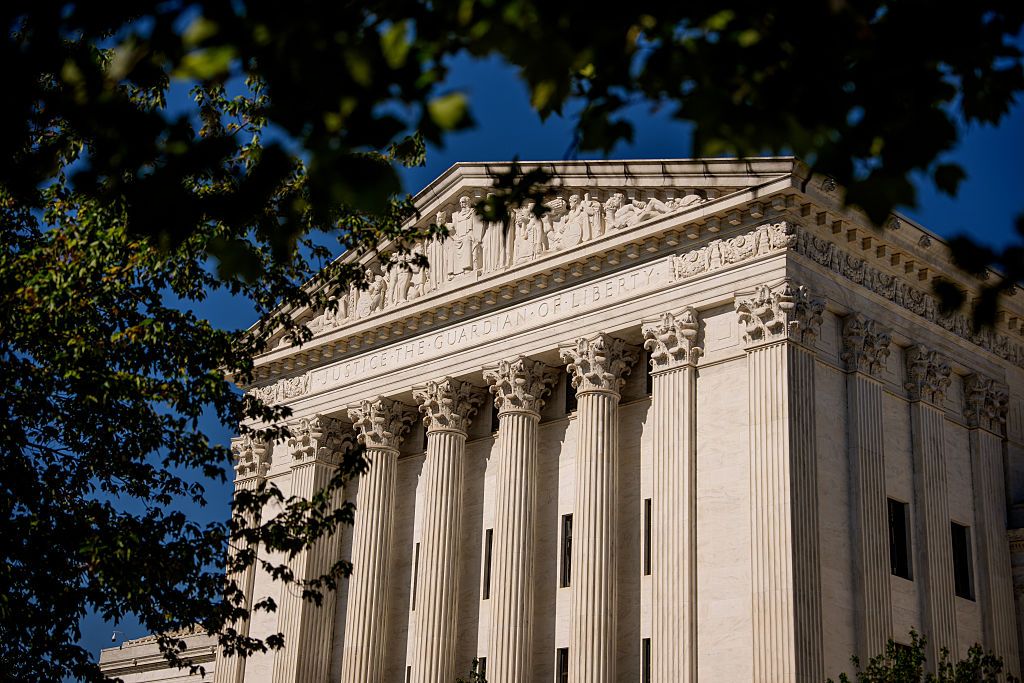
The Supreme Court has granted certiorari in three new cases, including a significant challenge to the constitutionality of six-person juries in criminal trials.
The Court will hear arguments on whether the Sixth Amendment requires states to use twelve-person juries in serious criminal cases. The case centers on whether a defendant's right to a jury trial, as guaranteed by the Sixth Amendment, encompasses a fixed requirement for the traditional twelve-member panel.
This marks a direct challenge to precedent established in Williams v. Florida (1970), which permitted states to use six-person juries in criminal cases without violating constitutional protections. That landmark decision has been the governing rule for over fifty years, allowing states to streamline jury procedures and reduce court administration costs.
The renewed scrutiny reflects growing concerns among legal scholars and judges about whether smaller juries adequately protect defendants' constitutional rights. Proponents of the twelve-person requirement argue that the historically entrenched jury size provides better deliberation, broader representation of community perspectives, and stronger protection against bias and hasty verdicts.
States currently employing six-person juries in certain criminal proceedings include Florida, which prompted related litigation. The outcome could reshape jury procedures nationwide, forcing states to return to larger panels or establishing clearer boundaries for when smaller juries remain permissible.
The Supreme Court's decision to take the case indicates disagreement with lower court rulings or genuine uncertainty about the constitutional dimensions of jury size. The Court's examination of this issue carries implications beyond jury composition. A ruling against six-person juries could trigger legislative changes across multiple states and require retrials or sentencing review for defendants previously convicted under six-person jury systems.
The other two cases accepted by the Court address separate areas of constitutional law, though details remain limited. The Court typically grants between seventy and eighty cases annually from thousands of petitions, making each acceptance noteworthy.