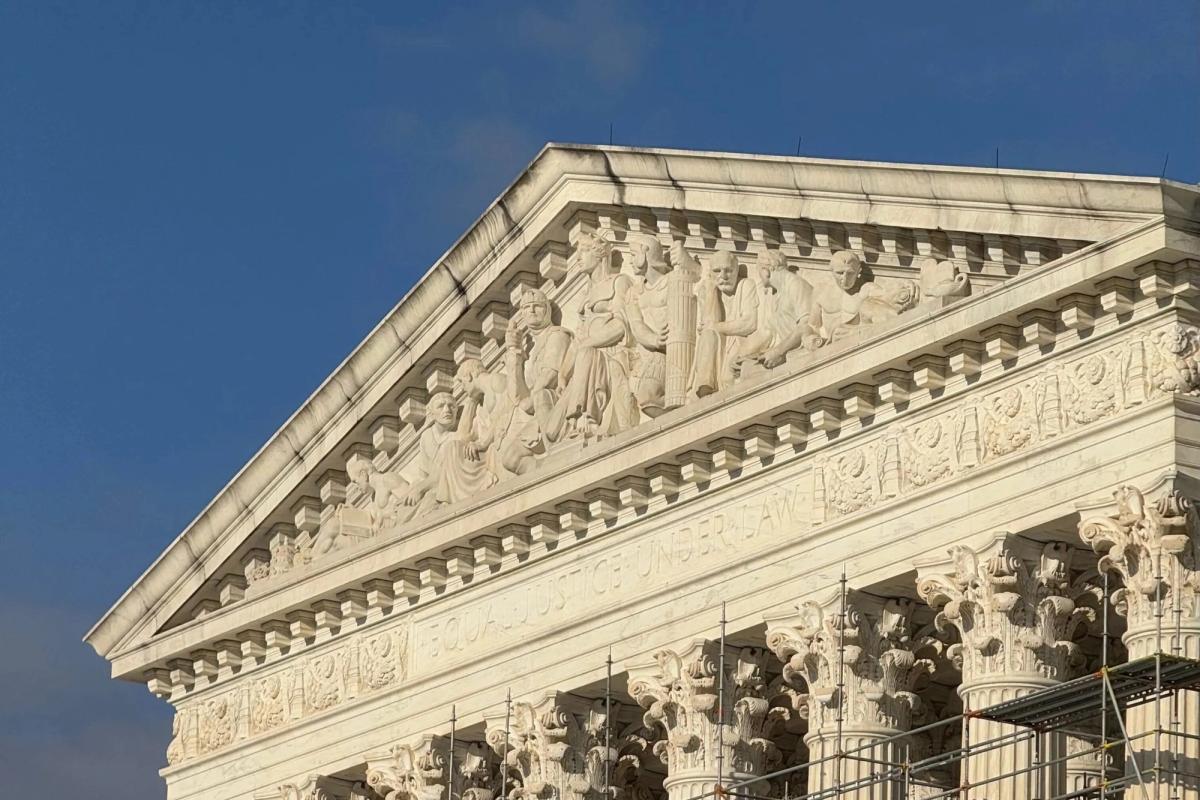
The Supreme Court added three cases to its 2026-27 docket on Monday, while denying several high-profile petitions for review. The Court's action expands its agenda for the upcoming term and signals which legal questions the justices prioritize for resolution.
The specific cases added to the docket were not detailed in the available reporting, but their acceptance reflects the Court's determination to address particular legal issues during the 2026-27 term. The justices receive thousands of petitions annually and accept only a fraction for full briefing and oral argument, making docket additions a selective process that reveals institutional priorities.
The simultaneous denial of notable petitions represents equally important information for the legal community. When the Court rejects a petition for certiorari, it leaves lower court decisions in place, effectively deciding cases by declining to hear them. These denials often carry implicit messages about which issues the Court believes lack sufficient legal urgency or have been adequately resolved by lower courts.
The decisions came during the Court's regular Monday opinions day, when the justices announce their determinations on pending petitions. The Court typically adds cases throughout the term as it manages its docket, though significant announcements often occur at strategic intervals in the judicial calendar.
For practitioners and observers monitoring Supreme Court activity, the 2026-27 docket additions establish the judicial landscape for that term. The cases accepted will ultimately shape federal law and potentially impact legislation, regulatory policy, and individual rights across multiple jurisdictions. Lower court judges will watch these selections closely to understand how the current Court views emerging legal questions and whether to expect guidance on contested areas of law.
The denials also matter for litigants whose petitions were rejected. Those cases remain decided by the lower courts that heard them, meaning appellate victories or defeats become final absent extraordinary circumstances. The combined effect of adding and denying cases shapes the Court's role in the American legal system