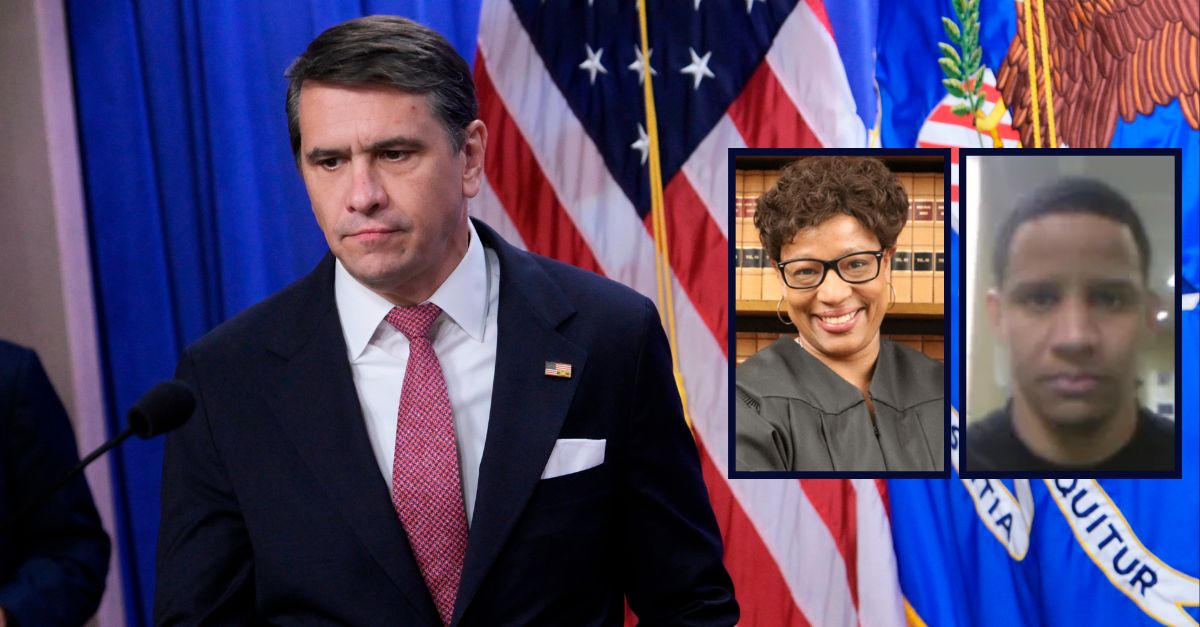
A special counsel has found sufficient evidence that a Department of Justice lawyer made affirmative false statements to a federal judge while representing Immigration and Customs Enforcement (ICE). The attorney allegedly concealed material facts to shield the agency from judicial scrutiny.
The special counsel's investigation concluded the DOJ lawyer engaged in conduct equivalent to knowingly submitting false information to the court. A judge issued a scathing opinion characterizing this conduct as "a serious failure of justice" and criticized the Department of Homeland Security for submitting what the court described as knowingly false materials in legal proceedings.
The episode exposes systemic problems in how federal agencies litigate matters before courts. When government lawyers make false statements to judges, they undermine the adversarial process that depends on honest disclosure from both sides. Courts cannot render just decisions when one party deliberately withholds or misrepresents critical facts.
The special counsel's finding carries weight because independent investigators, not the DOJ's internal machinery, reached this conclusion. This separation allows for objective assessment free from institutional pressure to protect colleagues within the agency. Federal judges retain authority to sanction attorneys and refer them to state bar associations for disciplinary action based on courtroom misconduct.
The false statements protected ICE from unfavorable judicial findings. This reveals how government legal strategies can prioritize agency interests over candor with courts. When the losing party is a powerful federal agency, the consequences for litigants opposing that agency compound. Individuals challenging government action cannot secure fair hearings when the government's lawyers operate outside truthfulness rules binding private attorneys.
The court's public rebuke signals judicial awareness of the problem. Federal judges possess contempt powers and sanctions authority to enforce truthfulness standards. The special counsel's report documents the violation, creating a paper trail that supports disciplinary action against the lawyer and potentially broader accountability measures within the DOJ.
This case demonstrates that even elite government attorneys face investigation