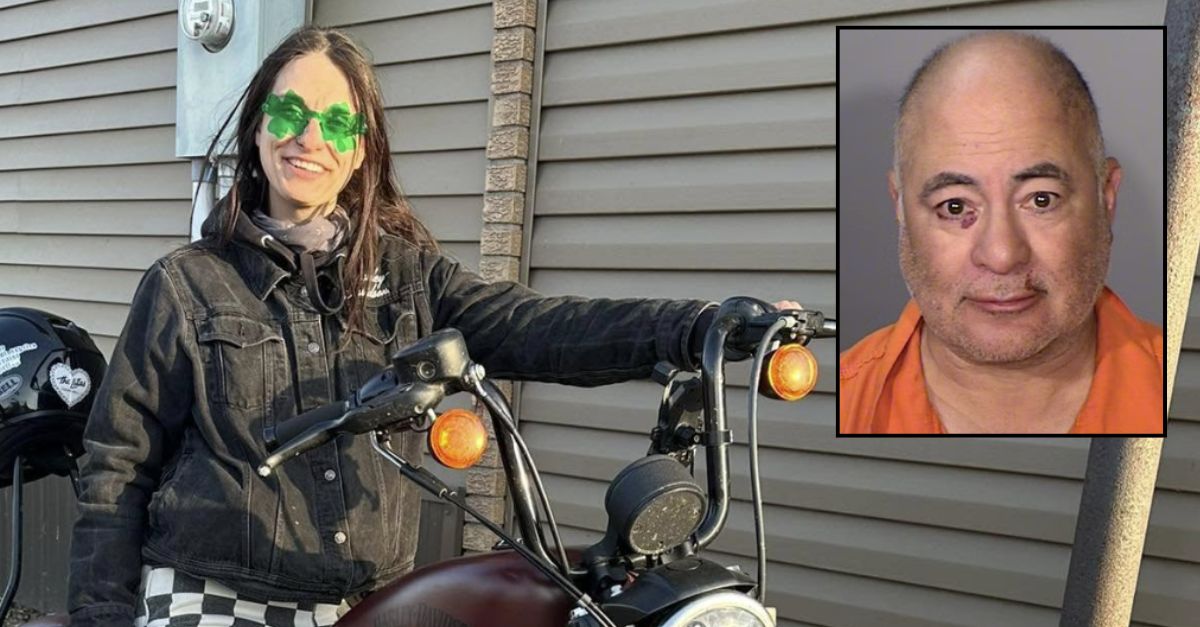
A driver involved in a fatal motorcycle collision initially told police he had a blinking yellow arrow at the intersection when he made his turn, according to court documents. The driver, identified as Rodriguez, later revised his account after investigators questioned him further. He then disclosed that he had consumed a bloody mary and Fireball whisky immediately before the crash.
Police documents indicate Rodriguez claimed the traffic signal permitted his turn at the time of the collision that killed the motorcyclist. However, his subsequent admission of alcohol consumption prior to driving substantially undermines his initial explanation and raises questions about impairment at the moment of impact.
The timing of Rodriguez's voluntary disclosure about the drinks suggests investigators pressed him on details or received conflicting information about traffic signal status. His changing statements form a critical evidentiary issue in what appears to be a vehicular homicide investigation.
The case demonstrates how accident reconstruction and toxicology evidence interact in fatal traffic cases. Rodriguez faces potential charges related to driving under the influence and vehicular homicide, depending on his blood alcohol content at the time of the crash and local statutes governing impaired driving deaths.
Arizona and most U.S. jurisdictions treat alcohol consumption prior to fatal collisions as aggravating factors in charging decisions. If Rodriguez's BAC exceeded the legal limit of 0.08 percent, prosecutors can pursue felony DUI or vehicular homicide charges carrying prison sentences ranging from several years to decades.
The admission of pre-driving alcohol consumption also affects civil liability. The motorcyclist's family may pursue wrongful death claims against Rodriguez, and his insurance carrier faces substantial exposure given the combination of impairment and death.
The case remains pending court proceedings that will determine whether Rodriguez's traffic signal claim holds legal weight or whether alcohol impairment becomes the controlling issue in determining liability for the motorcyclist's death.