Washington National Opera filed suit against the Kennedy Center for the Performing Arts, alleging the center wrongfully withheld approximately $17 million in donations designated for the opera company. The lawsuit follows the opera's departure from the Kennedy Center six months prior, when the company exited in protest over operational and financial disputes.
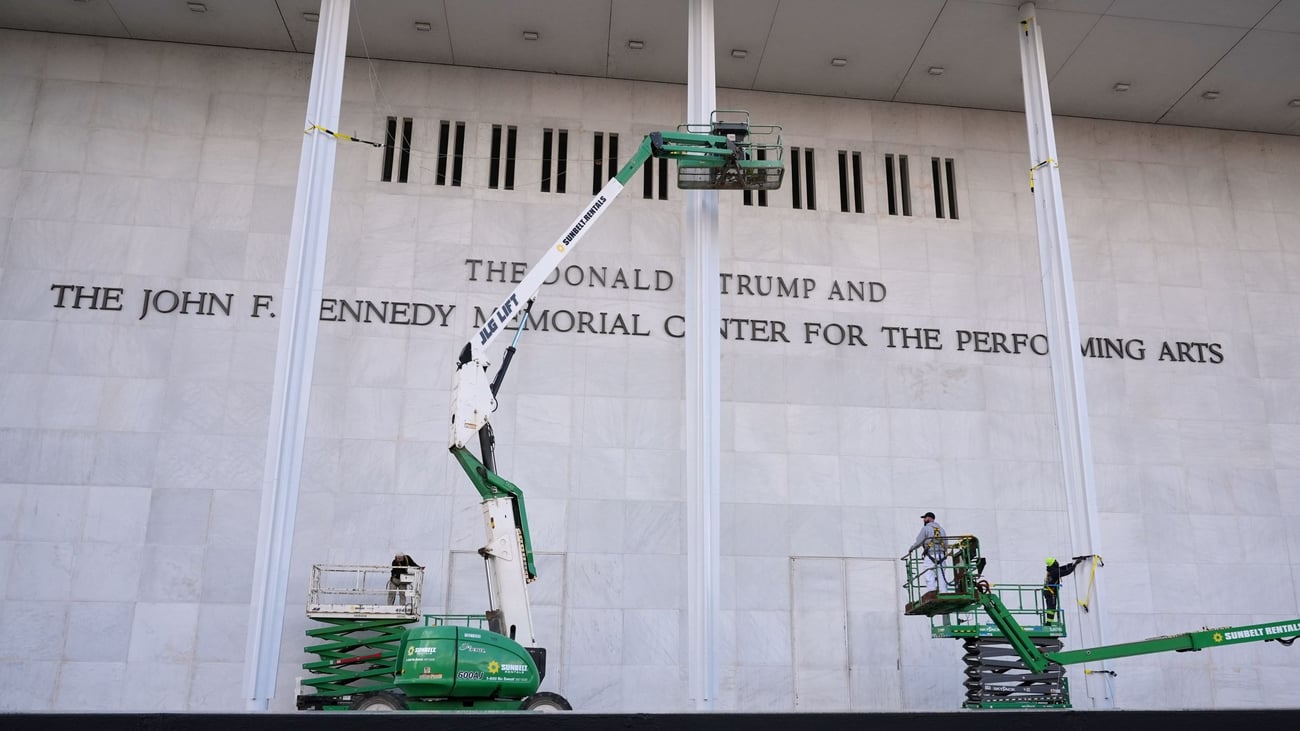
The timing of the litigation coincides with the Kennedy Center's efforts to remove President John F. Kennedy's name from the building facade, a decision that triggered last-minute legal challenges. The opera company's departure and subsequent lawsuit reveal internal fractures within one of America's premier performing arts institutions.
The $17 million in question represents restricted donations that donors intended specifically for Washington National Opera's operations and programming. The Kennedy Center's decision to withhold these funds raises questions about fiduciary obligations and the proper handling of earmarked charitable contributions. Nonprofits receiving restricted donations bear legal duties to honor donor intent and deploy funds according to specified purposes.
Washington National Opera asserts the Kennedy Center lacks authority to retain donations explicitly designated for the opera's benefit. The opera company likely argues the center's actions constitute conversion or breach of contract, depending on the underlying agreements governing the relationship between the two organizations.
The dispute underscores tensions over financial control and operational independence within nonprofit partnerships. If the opera prevails, the Kennedy Center may face liability for the withheld amount plus potential interest and attorney fees. The outcome will affect how performing arts institutions handle restricted gifts and manage subsidiary or affiliated companies.
Both organizations serve nonprofit missions under federal tax law, meaning courts will examine their governance documents, donation agreements, and donor communications to determine whether the Kennedy Center acted within legal authority. The case carries implications for nonprofit accountability and transparency in managing restricted charitable contributions across the arts sector.