# Did FDR Violate the Establishment Clause on D-Day?
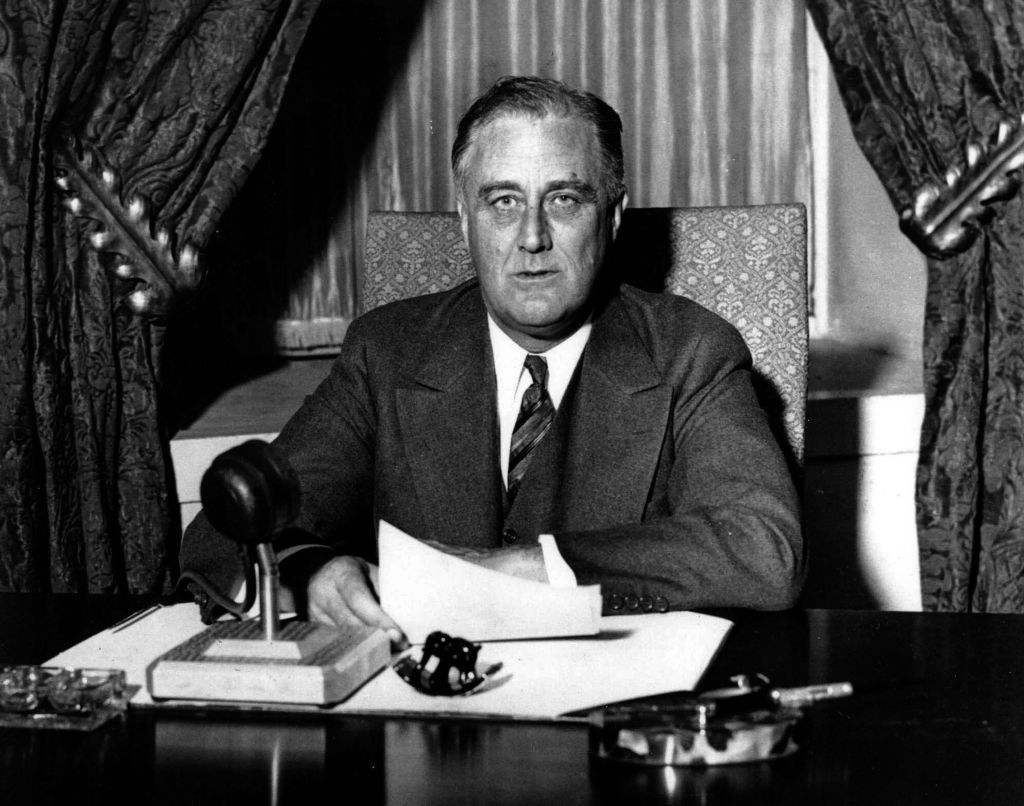
President Franklin D. Roosevelt's radio address to the nation on June 6, 1944, the morning of the Normandy invasion, has become a subject of constitutional scrutiny. The address, which opened with a lengthy prayer Roosevelt composed himself, raises questions about whether a sitting president's invocation of religious language during a military operation breached the Establishment Clause of the First Amendment.
The prayer, delivered over national radio, explicitly referenced God and sought divine protection for Allied forces. Roosevelt asked Americans to join him in asking for God's help, blessing, and guidance. The address mixed religious devotion with military command in a manner that would face immediate legal challenges if delivered by a modern president.
Legal scholars debating this question point to the Establishment Clause, which prohibits Congress from making any law respecting an establishment of religion. The clause's application to executive action remains contested. Some argue the clause constrains presidential speech and conduct. Others contend that historical practice, particularly during national emergency, permits religious expression by elected officials without constitutional violation.
The historical context matters considerably. In 1944, the United States faced existential military threat. Subsequent Supreme Court doctrine, including cases like Lemon v. Kurtzman (1971) and Town of Greece v. Galloway (2014), established frameworks for evaluating government religious speech. These cases suggest that ceremonial acknowledgments of religion receive greater deference than affirmative promotion of specific beliefs.
Roosevelt's D-Day prayer presents a doctrinal puzzle. The address combined official presidential authority with explicit religious content. Under modern Establishment Clause jurisprudence, courts would likely examine whether the prayer had a secular purpose, whether its primary effect advanced or inhibited religion, and whether it created excessive government entanglement with religion.
The practical answer remains uncertain.