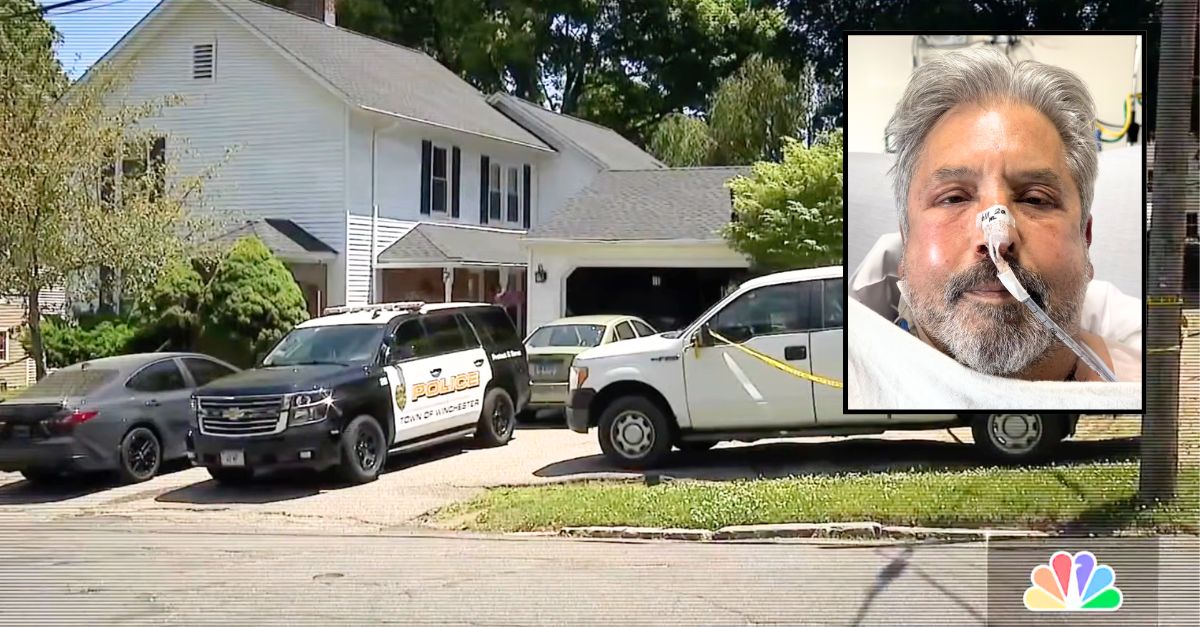
A Connecticut man faces murder charges after authorities allege he stabbed his estranged wife to death and then attempted suicide. An adult child discovered the bodies after witnessing a trail of blood, prompting police response to the scene.
The case emerged when a family member noticed bloodstains and investigated, leading to the discovery of the fatality and the suspect's suicide attempt. Police responded and secured the scene. The suspect survived his self-inflicted injuries and now faces homicide charges related to the death of his estranged spouse.
The incident reflects a pattern documented by domestic violence researchers: intimate partner homicides often escalate during separation or divorce proceedings, when relationship dissolution triggers crisis points. Connecticut law treats spousal homicide as murder in the first or second degree depending on circumstances. The defendant's attempted suicide raises questions about his mental state at the time of the offense, which his defense counsel will likely explore during pretrial proceedings.
Prosecutors must establish motive, opportunity, and intent to secure conviction. Evidence will include witness testimony from the family member who discovered the bodies, physical evidence from the scene, autopsy findings, and the suspect's medical records from his suicide attempt. The defendant's statements to police, if any, become critical admissible evidence.
Connecticut General Statutes Section 53a-54a defines murder as intentionally causing another's death or causing death with knowledge that one's conduct creates substantial risk of death. The distinction between first and second degree murder hinges on whether the defendant acted with premeditation and deliberation or with extreme recklessness.
The case proceeds through Connecticut Superior Court. Bail determinations will weigh the severity of charges, criminal history, and flight risk. Defense attorneys will examine investigative procedures, evidence collection, and chain of custody issues. The defendant's physical and mental condition following the suicide attempt may affect competency determinations and fitness to stand trial.
Domestic violence homicides