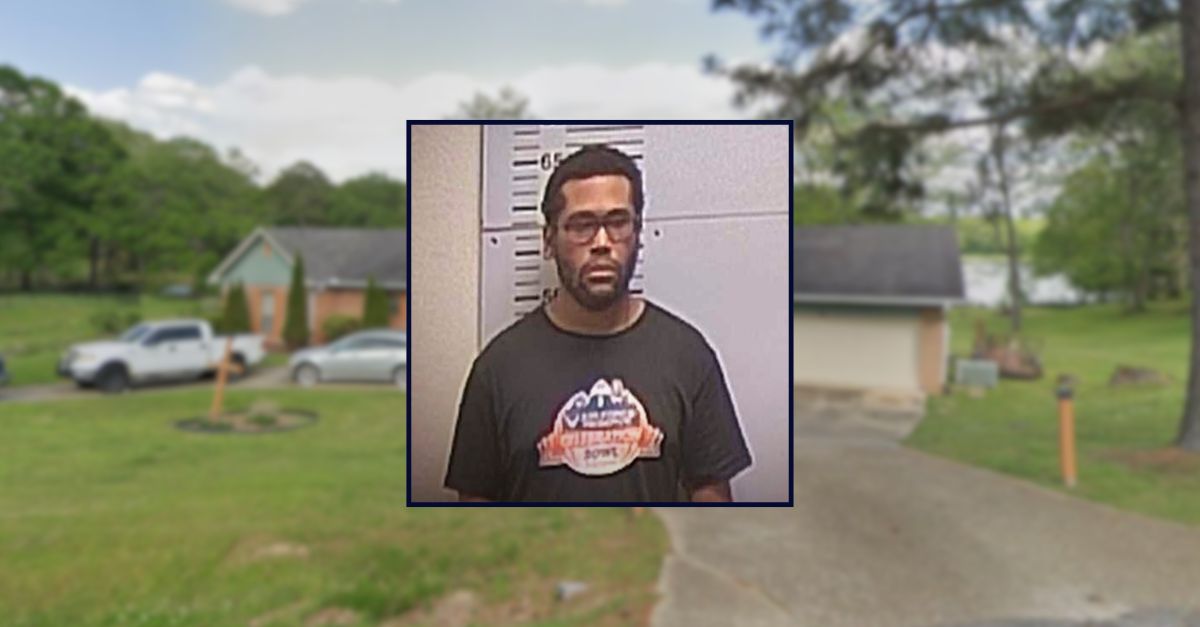
A man fatally shot his father following an argument over car speakers, with the shooter claiming he lost patience during their confrontation. The defendant characterized the killing as a breaking point in an escalating dispute.
The victim's wife, the shooter's mother, faced charges of accessory after the fact. She allegedly provided false statements to investigators to shield her son's involvement in the homicide. Her misrepresentation to law enforcement created a separate criminal liability distinct from the shooting itself.
The accessory after the fact charge targets conduct that occurs after a crime's commission. Specifically, it penalizes individuals who knowingly harbor, conceal, or aid the principal offender while that person evades arrest, trial, conviction, or punishment. The wife's alleged false statements to investigators fall within this category, as providing misleading information to authorities effectively obstructed the investigation and potentially aided her son's initial evasion of detection.
The shooting arose from a domestic dispute over a vehicle accessory. The defendant's statement that his father "pushed him too far" suggests an argument escalated to violence. Such claims often feature in homicide cases where defendants attempt to establish provocation or diminished capacity defenses. However, a dispute over car speakers presents a thin foundation for such arguments under most jurisdictions' provocation standards, which typically require that the provocative conduct be of such severity that a reasonable person might lose control.
This case illustrates how homicides frequently extend beyond the principal shooter to ensnare family members in secondary criminal liability. When relatives conceal suspects or mislead police, they transform themselves from bystanders into active obstructors of justice. The mother's accessory charge underscores that lying to investigators carries distinct and serious consequences independent of guilt or innocence regarding the underlying crime.
The domestic nature of this killing and the family members' involvement reflects patterns common in firearm homicides, where relationships between perpetrators and victims carry