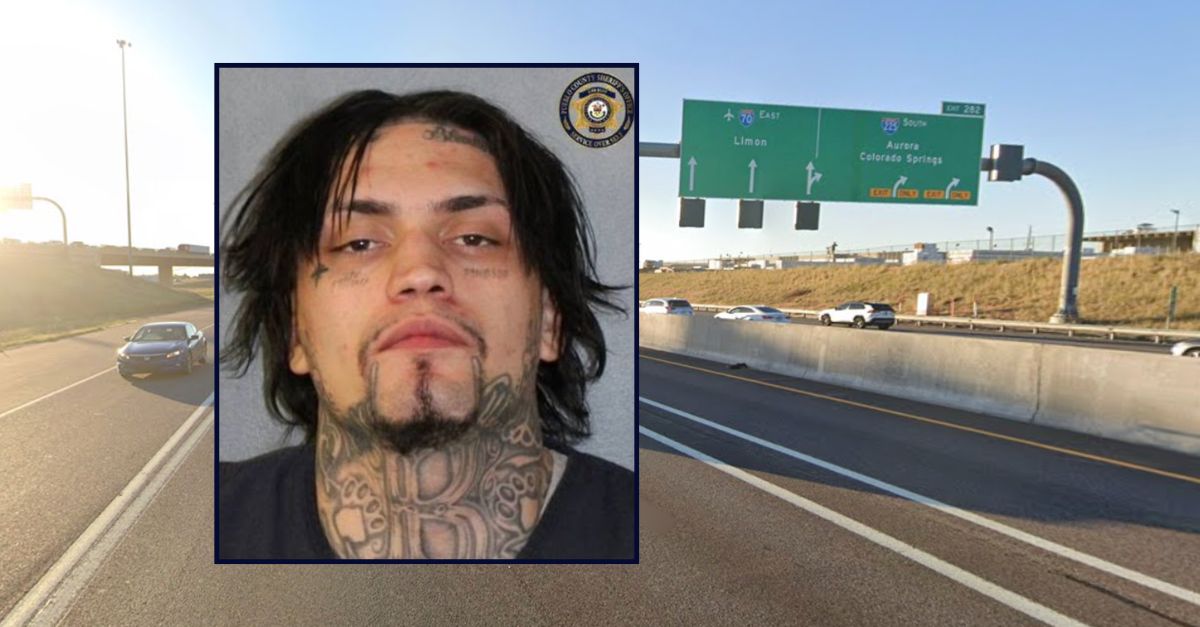
A defendant involved in a serious traffic accident kidnapped a witness who observed the crash, confining her in his vehicle for approximately four hours while driving around, according to prosecutors.
The district attorney's office detailed the abduction, noting that the defendant periodically allowed the witness, identified as Ms. Dotson, to answer calls from her family members, who were described as frantic and terrified during the ordeal. This selective allowance of contact appears designed to control the victim while maintaining some appearance of restraint.
The case presents a compound criminal exposure. The defendant faces kidnapping charges for unlawfully restraining and transporting Ms. Dotson against her will. The four-hour duration establishes sustained confinement rather than a momentary restraint, strengthening the prosecution's theory of a substantive kidnapping offense rather than a lesser unlawful detention claim.
The underlying traffic crash created the initial witness relationship, suggesting the defendant's motive centered on preventing Ms. Dotson from reporting to law enforcement or providing testimony regarding the accident. This context indicates consciousness of guilt concerning the traffic incident and escalation through the kidnapping response.
The controlled release of phone contact to family members suggests calculated manipulation by the defendant. Rather than permitting full communication, he selected when Ms. Dotson could speak with relatives, likely allowing him to monitor what information reached them and to gauge law enforcement response efforts.
Kidnapping statutes typically require proof of force, fraud, or coercion to effectuate unlawful restraint and movement of the victim. The prosecution's theory relies on establishing that the defendant used force or threat of force to detain Ms. Dotson and that he knowingly transported her across distances while unlawfully confining her.
The case raises questions about the original traffic accident investigation, witness protection procedures, and whether the defendant faces additional charges related to the initial crash. State prosecutors will need to establish