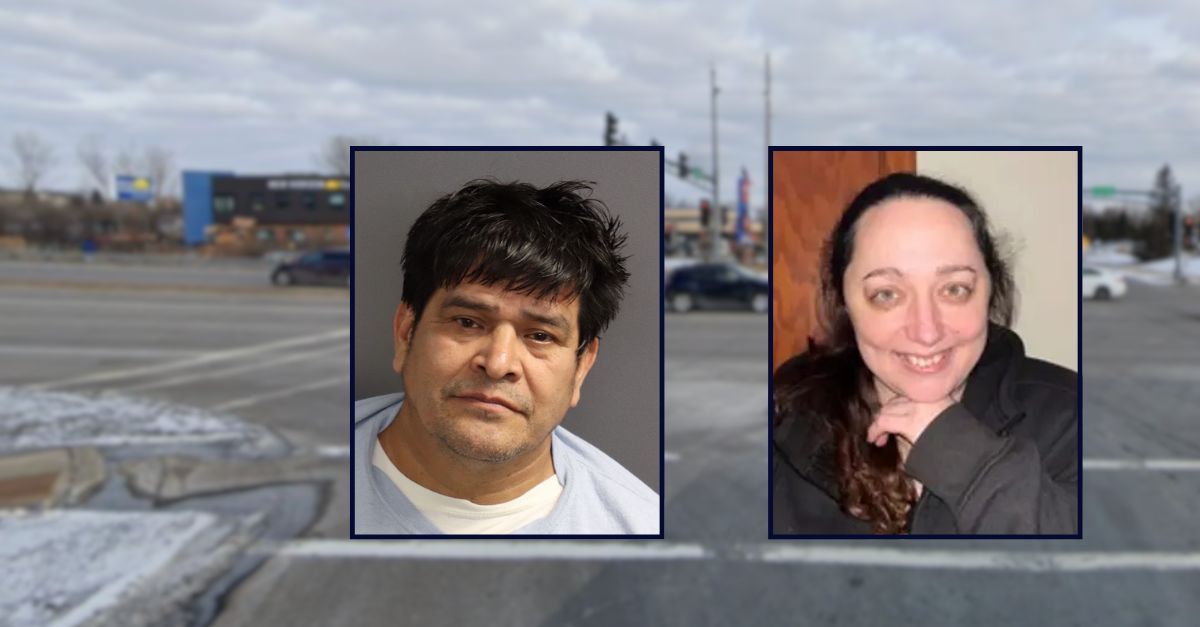
A Minnesota man avoided prison time after pleading guilty to vehicular homicide in the death of a pedestrian he struck while driving home from a bar. The driver told police he had hit "a thing" on the road. The victim was identified as a daycare worker and mother.
The case proceeded through Minnesota's criminal justice system following the late-night collision. The defendant entered a guilty plea to the vehicular homicide charge, which typically carries the potential for significant prison sentences under Minnesota Statutes Section 609.21. However, the sentencing court opted against incarceration, instead imposing alternative penalties.
Details regarding the specific circumstances of the collision remain limited. The victim's status as both a daycare worker and mother underscores the personal loss to her family and community. The defendant's initial characterization of the victim as "a thing" reflects the moment of impact and his apparent lack of immediate awareness of having struck a person.
Vehicular homicide convictions in Minnesota require proof that a driver caused another's death through negligent or reckless operation of a motor vehicle. The fact that the defendant was returning from a bar raises questions about potential impairment, though toxicology findings and impairment charges are not specified in available reporting.
The decision to forgo incarceration in a fatal vehicular case represents a notable outcome. Minnesota courts retain discretion in sentencing, and judges may consider factors including the defendant's prior record, remorse, and circumstances surrounding the offense. Alternative sentences might include probation, fines, license revocation, and mandatory treatment programs.
This case reflects broader tensions in American criminal law regarding appropriate punishment for deaths caused by motor vehicles, particularly where impairment may be involved. Victim advocacy groups have frequently criticized outcomes perceived as lenient in fatal driving cases, arguing they insufficiently deter dangerous driving behavior and fail to serve families of deceased victims.