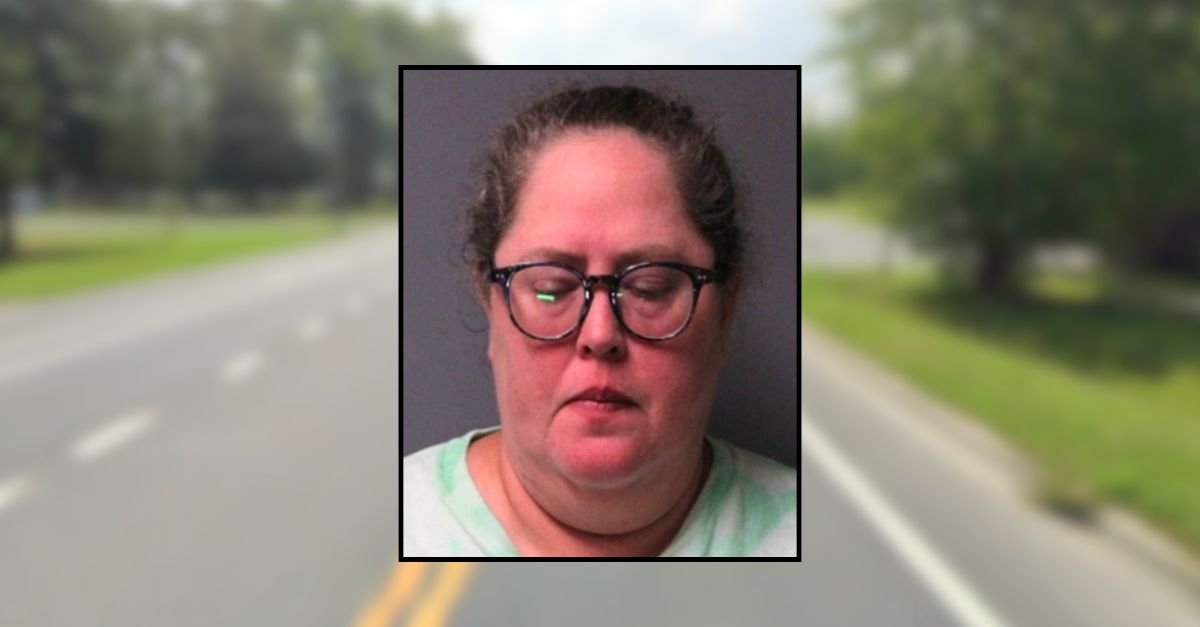
A Delaware driver struck a bicyclist in a designated bike lane with her Subaru and continued driving until mechanical failure forced her to stop, resulting in the cyclist's death, according to police reports.
The incident represents a fatal hit-and-run collision. The driver did not voluntarily cease operation of her vehicle following impact. Instead, she maintained forward motion with the bicycle rider trapped or underneath the vehicle until the Subaru sustained damage severe enough to render it inoperable.
This case implicates Delaware's vehicular homicide statutes and hit-and-run laws. Prosecutors will likely charge the driver with felony hit-and-run causing death, which carries mandatory penalties under Delaware Code Title 21. The prosecution must establish that the defendant knew she struck the victim and willfully left the scene without providing identification or assistance.
The victim's presence in a marked bike lane strengthens the prosecution's case by demonstrating the cyclist occupied a protected space for non-motorized traffic. Delaware municipalities designate such lanes specifically to separate cyclists from vehicle traffic, establishing a reasonable expectation of safety.
The extended distance traveled before the vehicle's mechanical failure proves problematic for any defense claiming accident or confusion. The continuous operation demonstrates either intentional flight or reckless disregard for the collision's impact. Police investigation will focus on skid marks, vehicle damage patterns, and witness testimony to reconstruct the incident's sequence.
This collision underscores enforcement gaps in bike lane protections. Many jurisdictions struggle with driver compliance in designated cycling areas. Delaware's laws treat bike lane violations and resulting fatalities seriously, with potential sentences reaching 25 years for felony vehicular homicide.
The case also raises civil liability questions. The victim's estate may pursue wrongful death claims against the driver and potentially against the municipality if negligent infrastructure maintenance contributed to the accident. Insurance coverage disputes frequently arise in hit-and-run cases where