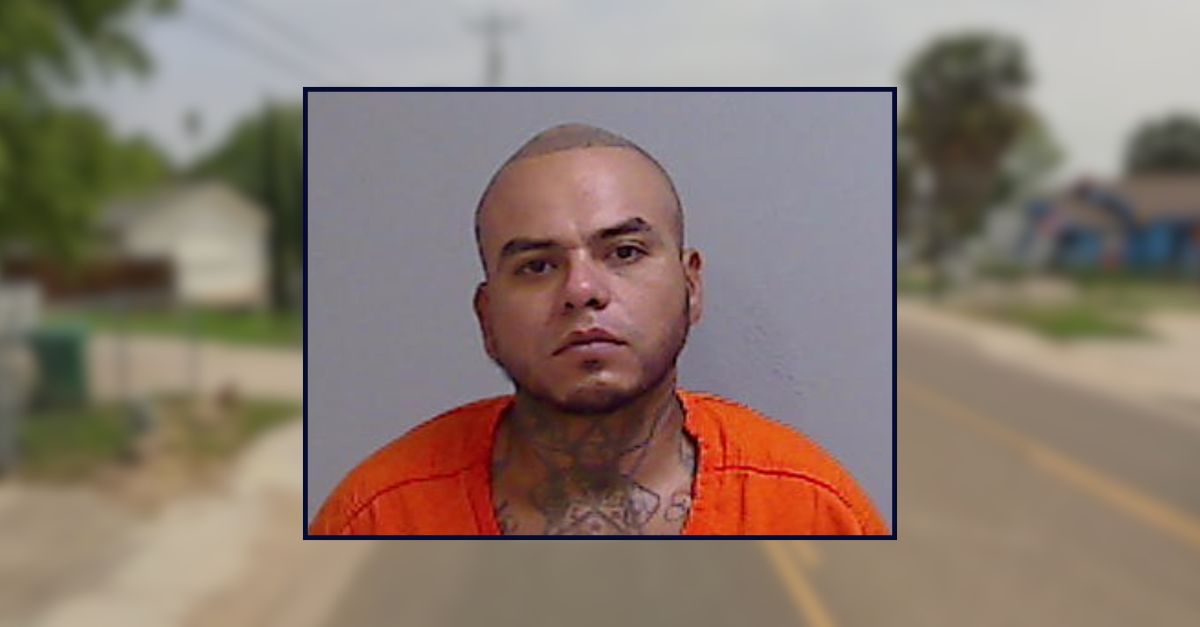
A man has been convicted in the death of his 2-month-old son after an autopsy revealed extensive injuries to the infant's body. Police discovered the child's corpse wrapped in blankets, which the father had retained for several days before authorities intervened.
The autopsy documented bruising across multiple body regions, including the skull, chest, and buttocks. These injuries indicate blunt force trauma consistent with abuse rather than accidental harm. The retention of the corpse for an extended period raises additional concerns about the circumstances surrounding the child's death and delayed reporting to authorities.
The conviction establishes criminal liability for the father in connection with the infant's death. While the specific charges and sentencing details remain central to the case outcome, the autopsy findings provide medical evidence linking the father to the fatal injuries. Prosecutors used the pattern of bruising and trauma documentation to establish that the injuries resulted from abuse rather than natural causes or accident.
This case underscores the critical role forensic pathology plays in child abuse prosecutions. Medical examiners can distinguish intentional trauma from accidental injury through careful examination of wound patterns, bruising distribution, and tissue damage. The multiple injury sites documented in this autopsy created a forensic picture inconsistent with a single accidental fall or unintentional harm.
The father's decision to conceal the child's body rather than seek immediate medical attention compounds the criminal conduct. When parents or caregivers delay reporting a child's death or attempt to hide evidence, prosecutors can present such conduct as consciousness of guilt, supporting inference of intentional harm.
This conviction reflects society's legal and moral obligation to protect vulnerable children from abuse. Child abuse resulting in death carries severe penalties under state criminal statutes. The case reinforces that forensic evidence combined with behavioral indicators such as corpse concealment provides prosecutors with powerful tools to hold abusive caregivers accountable and secure convictions in cases of fatal