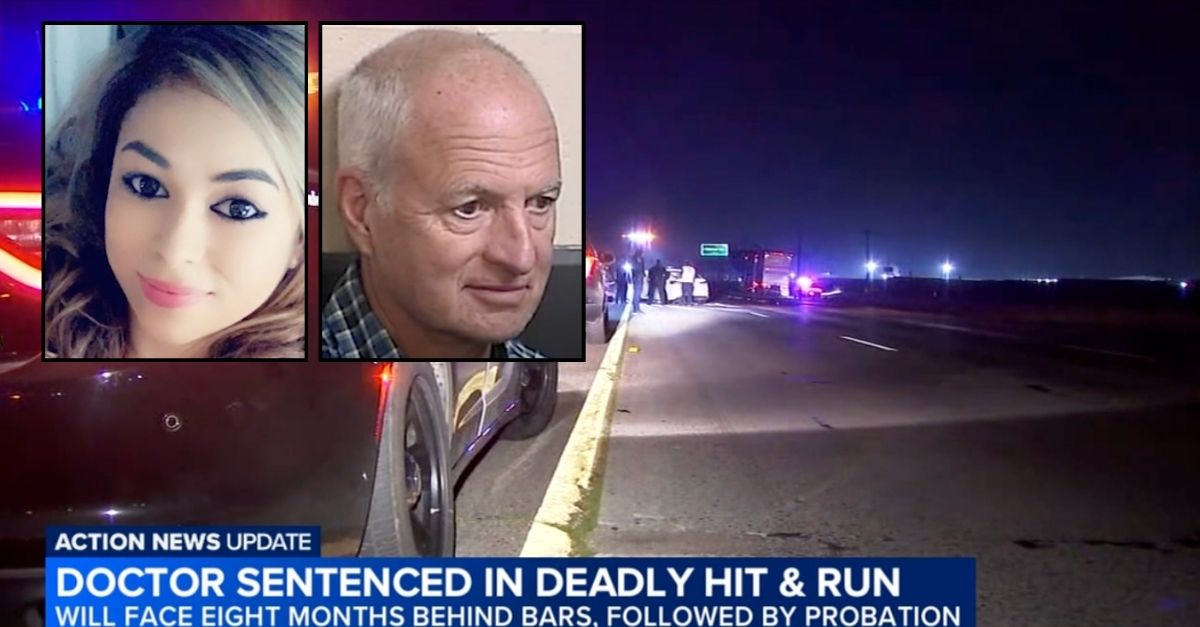
A California cardiologist received a sentence of less than one year in jail for vehicular manslaughter after striking and killing a mother of three who had stopped to assist an accident victim on the roadside.
The incident occurred when the victim, an aspiring nurse, pulled over to help someone involved in a prior crash. The cardiologist, driving an SUV, struck her fatally. After briefly exiting his vehicle, the doctor fled the scene rather than remain to provide aid or cooperate with authorities.
The lenient sentencing reflects a significant disparity in justice outcomes. California Vehicle Code Section 191.5 establishes vehicular manslaughter as a felony carrying a maximum sentence of ten years imprisonment. However, judges retain discretion in sentencing, and this case resulted in a custodial term substantially below statutory guidelines. The cardiologist's professional status, lack of prior criminal record, or other mitigating factors presented at sentencing apparently influenced the court's decision.
Hit-and-run statutes, codified in California Vehicle Code Section 20001, require drivers involved in accidents causing injury to remain at the scene and provide identification and assistance. The cardiologist's departure from the scene constituted an additional violation, yet did not substantially increase his ultimate sentence.
This outcome raises questions about sentencing consistency in vehicular homicide cases. Victim advocates argue that professional standing should not insulate defendants from meaningful accountability. The contrast between the victim's sacrifice—attempting to help a stranger—and the driver's abandonment of responsibility underscores the case's moral complexity.
For the victim's family, the sentence delivers limited resolution. The cardiologist will serve his time and likely return to society within months. Meanwhile, three children lost their mother, and the medical community faces scrutiny regarding professional conduct expectations both on and off duty.
The case illustrates how prosecutorial charging decisions, judicial discretion, and