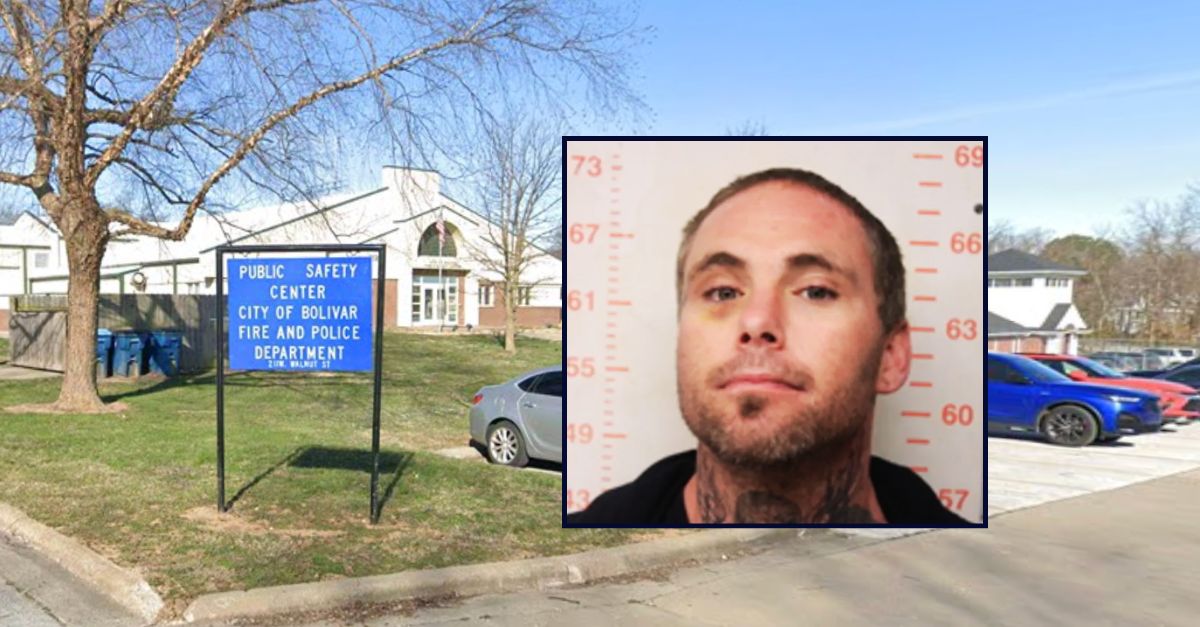
A man entered a police station in Bolivar to address an eviction matter and was arrested on theft-related charges after officers discovered he had used a dating website to lure a victim.
Police determined that the suspect created a false dating profile and used it to manipulate a victim into traveling to meet him. Once the victim arrived, the suspect committed theft, according to law enforcement accounts.
The arrest occurred when the suspect walked into the station for the unrelated eviction issue. Officers conducting the intake interview identified him in connection with an ongoing theft investigation. The dating app scheme became apparent during questioning, revealing a calculated deception operation.
Dating app fraud represents a growing criminal vector. Predators create authentic-seeming profiles to establish trust, then exploit that relationship for theft, robbery, or other crimes. Victims often feel compelled to meet potential romantic interests in unfamiliar locations, creating vulnerability.
This case illustrates how law enforcement databases can connect separate incidents. The suspect's appearance at the police station for one matter triggered recognition of his involvement in another. Background checks and victim interviews linked him to the theft scheme.
The practical implications extend to both online safety and police efficiency. Dating app users should verify identities through video calls, meet in public locations, and inform trusted contacts of meetups. For law enforcement, the case demonstrates value in comprehensive intake procedures and cross-referencing victim descriptions with arrestees.
Charges filed against the suspect likely include theft and potentially fraud or wire fraud, depending on jurisdiction and whether interstate communications were involved. Using electronic communications (the dating app messages) to facilitate theft can elevate charges under wire fraud statutes in many jurisdictions.
Dating app companies typically prohibit fraudulent profiles in their terms of service, but enforcement remains inconsistent. Users bear primary responsibility for vetting contacts before meeting. The Bolivar incident underscores risks of trusting new online contacts without thorough verification.
CATEGORY