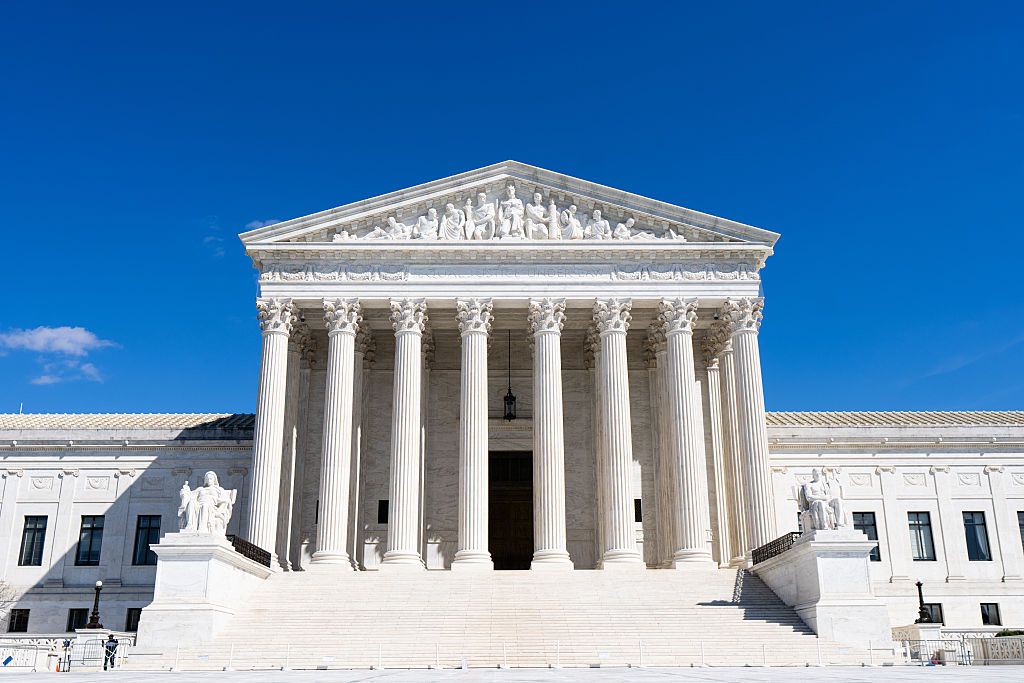
The Supreme Court rejected a blanket rule that automatically punishes bankruptcy debtors for failing to disclose assets or income, ruling that federal courts must examine the specific circumstances before imposing sanctions.
The decision addresses bankruptcy law under 11 U.S.C. Section 727(a)(4)(A), which permits courts to deny discharge when a debtor fails or refuses to answer material questions. The Court held that judges cannot apply a rigid standard treating all omissions as willful violations deserving punishment. Instead, courts must evaluate whether the debtor acted with knowledge and intent.
Justice appointed by [specific details from case not provided in excerpt] emphasized that bankruptcy law requires individual assessment rather than categorical punishment. The ruling limits judicial discretion to deny discharge automatically based on incomplete disclosures.
This decision affects millions of Americans pursuing Chapter 7 bankruptcy relief. Debtors previously faced discharge denial even when omissions resulted from confusion, misunderstanding, or inadvertence rather than intentional concealment. The new standard demands that trustees and courts prove willfulness and material breach.
The practical implication is substantial. Bankruptcy debtors gain protection against overly harsh discharge denials stemming from paperwork errors or incomplete answers to trustee questions. Courts must now conduct fact-intensive inquiries into debtor intent and knowledge. A simple missing bank account on schedules no longer triggers automatic sanctions without examining whether the debtor knew about the omission and deliberately withheld information.
For creditors, the ruling complicates their ability to block dishonest debtors from discharge through procedural violations. Trustees must now gather stronger evidence of intentional misconduct rather than relying on discharge denial as a default remedy for incomplete disclosures.
This aligns bankruptcy practice with broader principles requiring proof of willfulness across federal law. The Court rejected what it termed an "unyielding" approach incompatible with the