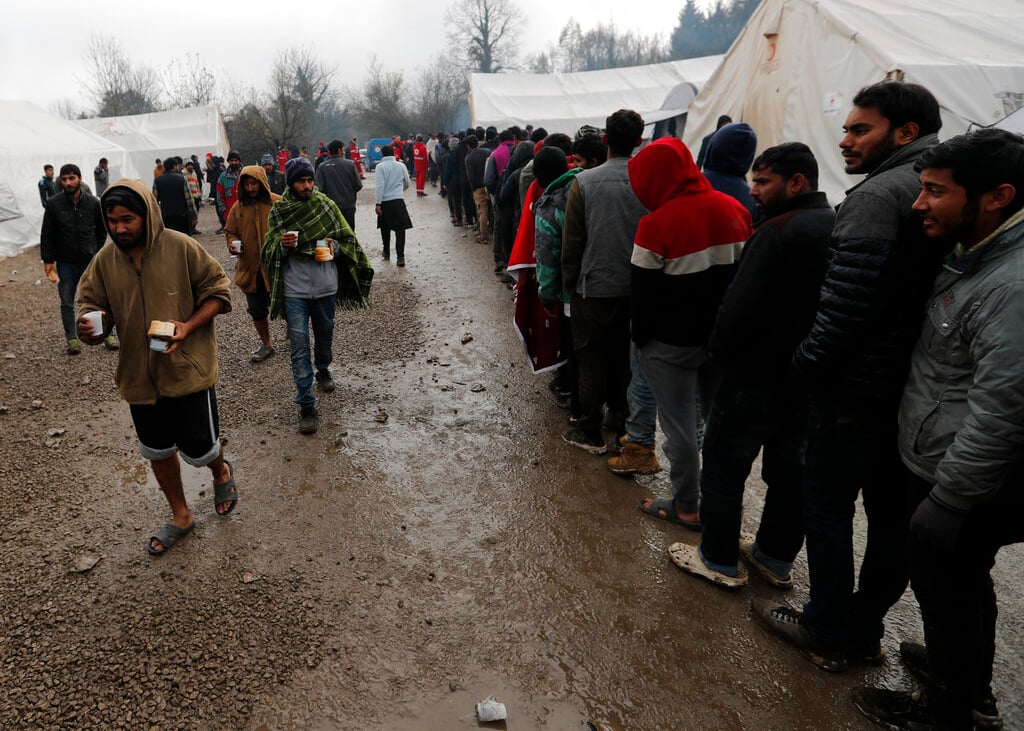
# Europe Tightens Borders as New Migration Laws Go Into Effect
The European Union's revised asylum framework entered into force, fundamentally shifting the bloc's approach to migration and refugee processing. The new regulations prioritize border security and expedited processing over the humanitarian protections that previously characterized EU asylum policy.
Under the updated framework, EU member states gain expanded authority to conduct accelerated asylum procedures at external borders. These mechanisms allow nations to process claims more rapidly while maintaining the right to reject applicants deemed security threats or those arriving through irregular channels. The regulations establish standardized procedures across all member states, reducing variations in how individual countries handle asylum seekers.
The changes respond to mounting pressure from member states struggling with increased migration flows. Countries including Hungary, Poland, and Italy have pushed for stricter border controls and faster deportation mechanisms. The new rules grant these nations explicit legal tools to implement more restrictive policies while remaining technically compliant with EU law.
Legal experts express concern that the framework effectively diminishes protections for vulnerable populations. The accelerated procedures compress the time asylum seekers have to present their cases and access legal representation. Critics note that rapid processing may compromise thorough review of persecution claims and individual circumstances.
The regulations also introduce burden-sharing mechanisms intended to distribute asylum applications more evenly across member states. However, enforcement mechanisms remain weak, allowing wealthier nations to negotiate opt-outs or financial contributions rather than accepting asylum seekers directly.
Advocacy groups warn the changes signal Europe's pivot toward a security-first immigration model, departing from the principles established after World War II. The practical effect will likely mean fewer asylum approvals, faster deportations, and reduced access to legal counsel during processing.
Member state compliance with the new framework will determine its actual impact. Nations implementing the most restrictive interpretations may see substantially lower asylum acceptance rates, while those maintaining protective standards may experience pressure from EU institutions or neighboring states to align with