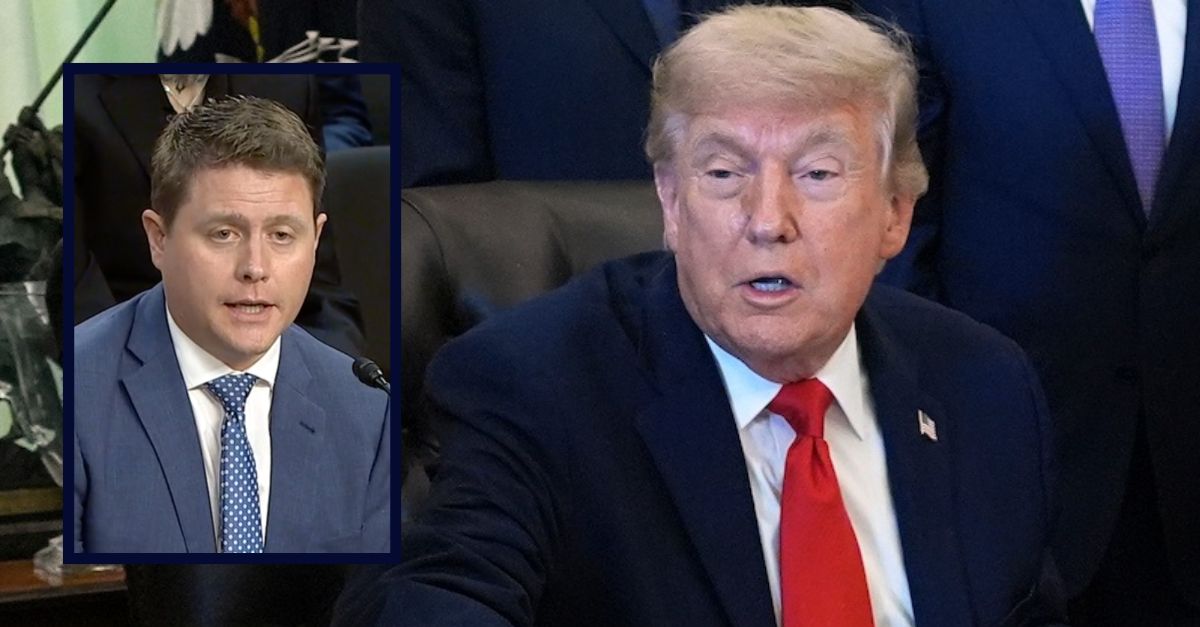
A federal judge appointed by former President Trump ordered U.S. Immigration and Customs Enforcement to immediately release a detained immigrant, citing the Trump administration's repeated defiance of court orders and "complete inability to follow judicial directions."
The judge found that the government's pattern of noncompliance left release as "the only remedy" available. This decision reflects escalating judicial frustration with ICE's conduct in immigration detention cases. The court characterized the government's behavior as cynical and systematic disregard for judicial authority.
The case involves a specific detainee whose continued confinement the judge deemed unlawful under applicable immigration law and constitutional standards. Rather than imposing fines or other sanctions, the judge determined that immediate release served the interests of justice given the government's demonstrated unwillingness to comply with prior orders.
This ruling carries practical implications for immigration enforcement operations. It signals that federal courts will use their coercive power to compel agency compliance when executive branch actors ignore judicial directives. The decision also demonstrates that even judges appointed by Trump himself will enforce judicial orders against executive overreach.
The order reflects broader tension between the judicial and executive branches over immigration detention authority. Courts routinely supervise ICE detention practices under habeas corpus review and bail statutes. When agencies disregard judicial findings about a detainee's eligibility for release or bail, judges possess authority to enforce compliance through contempt sanctions or, as here, by ordering the remedy sought in the underlying petition.
The Trump administration's immigration enforcement priorities sometimes conflict with legal constraints on detention. This case illustrates that federal judges across the judicial spectrum retain power to enforce those constraints, even against a favored presidential administration. The judge's exasperation signals that repeated violations of court orders will trigger progressively severe consequences, including release orders that frustrate enforcement objectives.
This ruling reinforces that judicial oversight of immigration detention remains functional and that courts will not tolerate systematic