# New York Congressional Primary Elections Signal Party Realignment
New York's 2024 congressional primary contests reflect deeper divisions within the Democratic Party. Two veteran representatives are retiring, creating open seats that will draw competing visions for the party's direction.
The races pit progressive and establishment factions against each other. A popular Democratic mayor's selective endorsements carry weight in shaping candidate viability, though the strategy risks alienating grassroots organizers who view the endorsements as top-down interference.
Open seats in New York typically attract crowded fields. Multiple candidates compete for party committee support, donor backing, and grassroots momentum. Progressive candidates emphasize climate action, Medicare for All, and aggressive wealth redistribution. Establishment-aligned candidates stress electability, legislative experience, and pragmatic governance.
The mayor's endorsement strategy reflects calculation about which candidates can win general elections in Republican-leaning districts versus safely Democratic areas. In safe Democratic seats, the mayor may stay neutral to avoid antagonizing activists. In competitive districts, the endorsement becomes a de facto kingmaker decision.
Key dynamics to monitor include candidate fundraising, which reveals donor confidence and national party investment. Turnout models matter enormously in primaries, where engaged voters determine outcomes differently than general elections. The candidate who mobilizes younger, progressive voters wins. The candidate who activates older, moderate voters wins differently.
New York congressional primaries also test which party identity captures Democratic voters' imagination: the progressive wing emphasizing transformational change, or the centrist wing emphasizing coalition-building and legislative compromise. The 2024 cycle will clarify whether last decade's progressive surge has plateaued or continues advancing.
Union endorsements carry outsized influence in New York politics. Labor organizations' choices between candidates signal whether working-class Democratic voters prioritize economic redistribution or job preservation through infrastructure investment and trade policy.
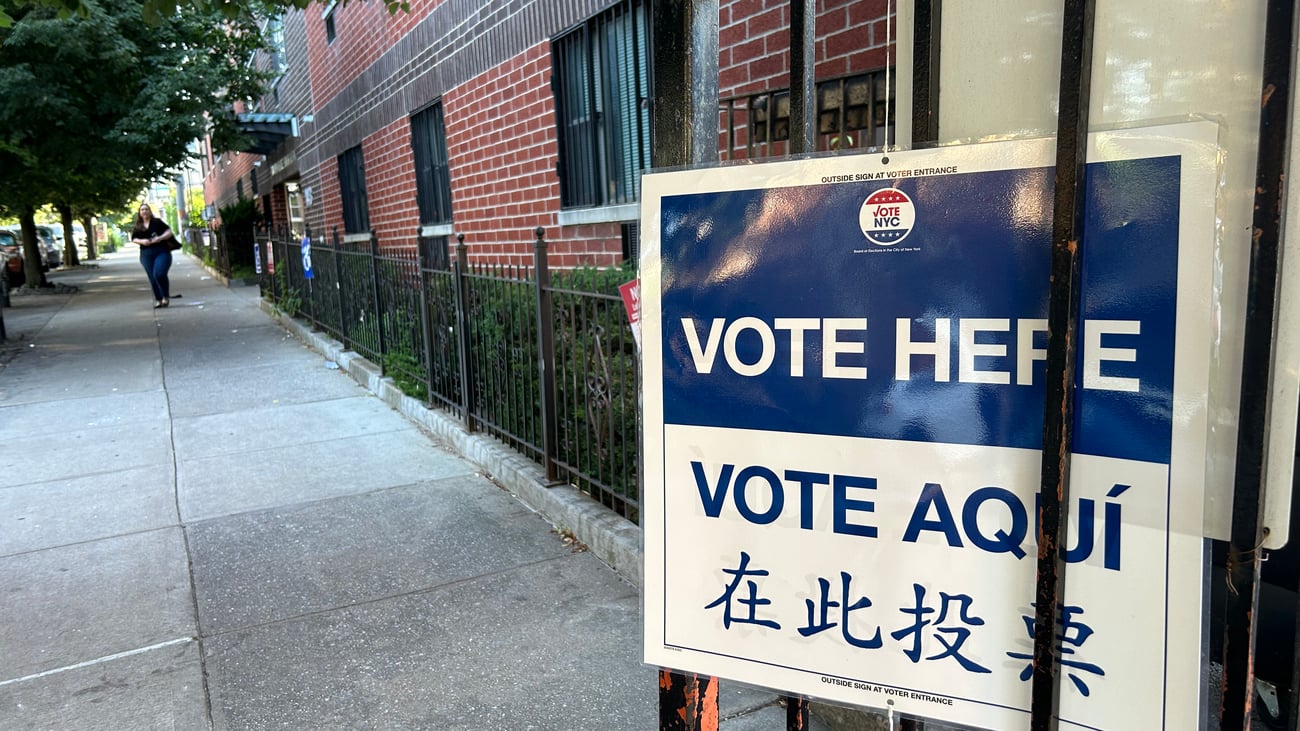
Voting occurs on primary day in June