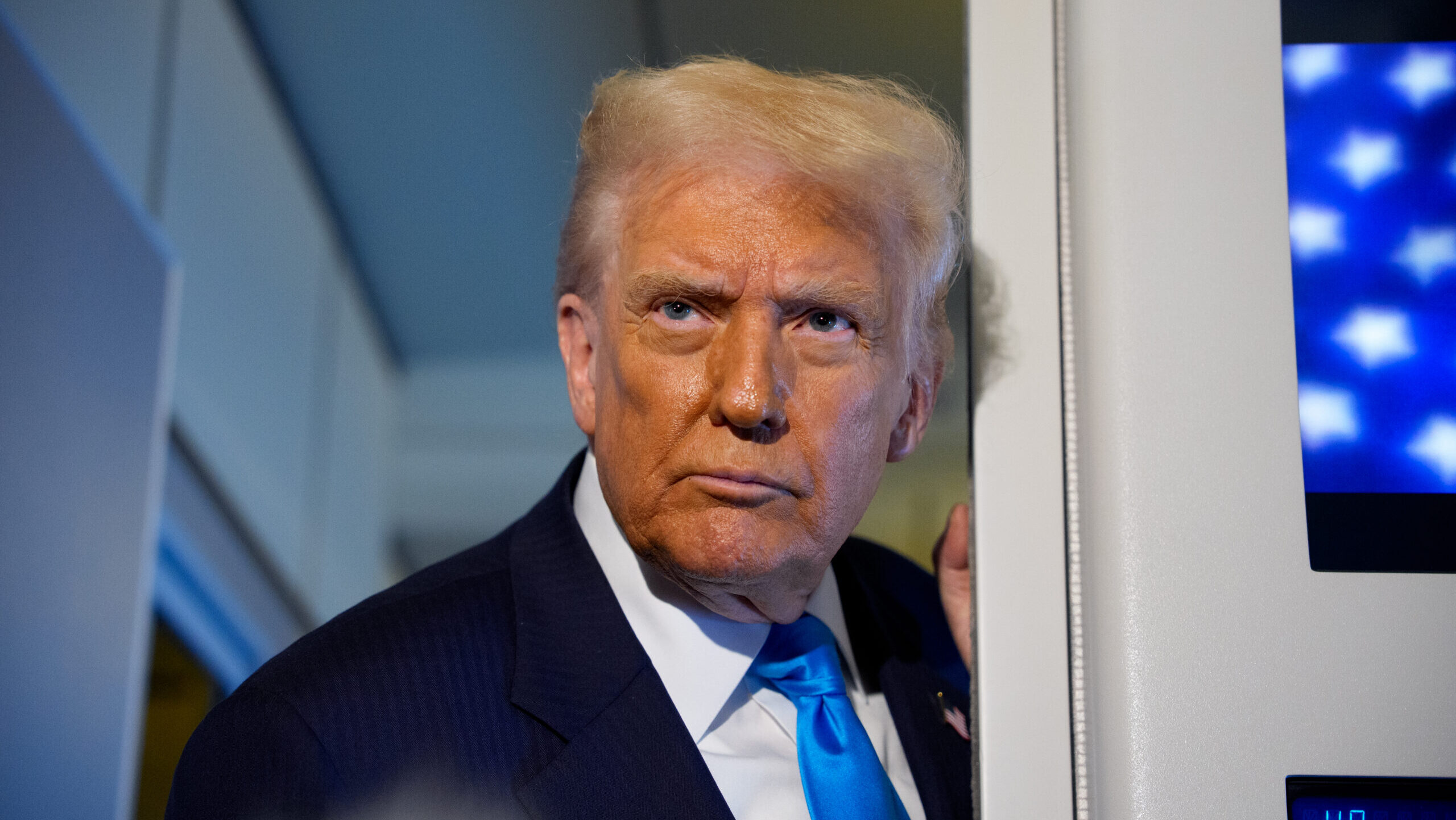
President Trump issued a National Security Presidential Memorandum directing closer Pentagon collaboration with artificial intelligence companies, contingent on their compliance with Defense Department requirements. The directive orders sweeping revisions to Biden-era restrictions governing military AI deployment.
The memorandum responds to what administration officials characterize as the "Anthropic debacle," referring to the AI safety company's refusal to assist the military with certain projects. Anthropic, founded by former OpenAI executives Dario and Daniela Amodei, has maintained strict ethical guidelines limiting its technology's military applications. The Trump administration views this refusal as an obstacle to national security and technological advantage.
Under the new memorandum, AI companies seeking defense contracts or partnerships must demonstrate Pentagon compliance. The policy removes safeguards established during the Biden administration that required extensive ethical review before deploying AI in military contexts. Pentagon officials will gain greater discretion to expedite AI integration into weapons systems, surveillance platforms, and strategic operations without the previous procedural delays.
The memo targets specific restrictions on autonomous weapons systems and lethal decision-making algorithms. It directs the Defense Department to streamline approval processes for military AI applications. Companies refusing Pentagon demands now face potential exclusion from federal contracts and partnerships.
For AI companies, the memorandum creates stark choices. Compliance with Pentagon requirements offers substantial government revenue but risks reputational damage among investors, employees, and customers concerned about autonomous weapons development. Refusal maintains ethical positioning but forecloses federal business opportunities.
The policy reflects broader Trump administration priorities prioritizing military technological dominance over international humanitarian concerns. It effectively rejects frameworks like the UN principles on autonomous weapons systems that many nations and advocacy groups support.
Legal scholars note the memorandum operates within executive authority over national security and federal contracting. Congress retains authority to impose statutory limits on military AI, though Republican control limits immediate legislative restrictions. The directive establishes de facto