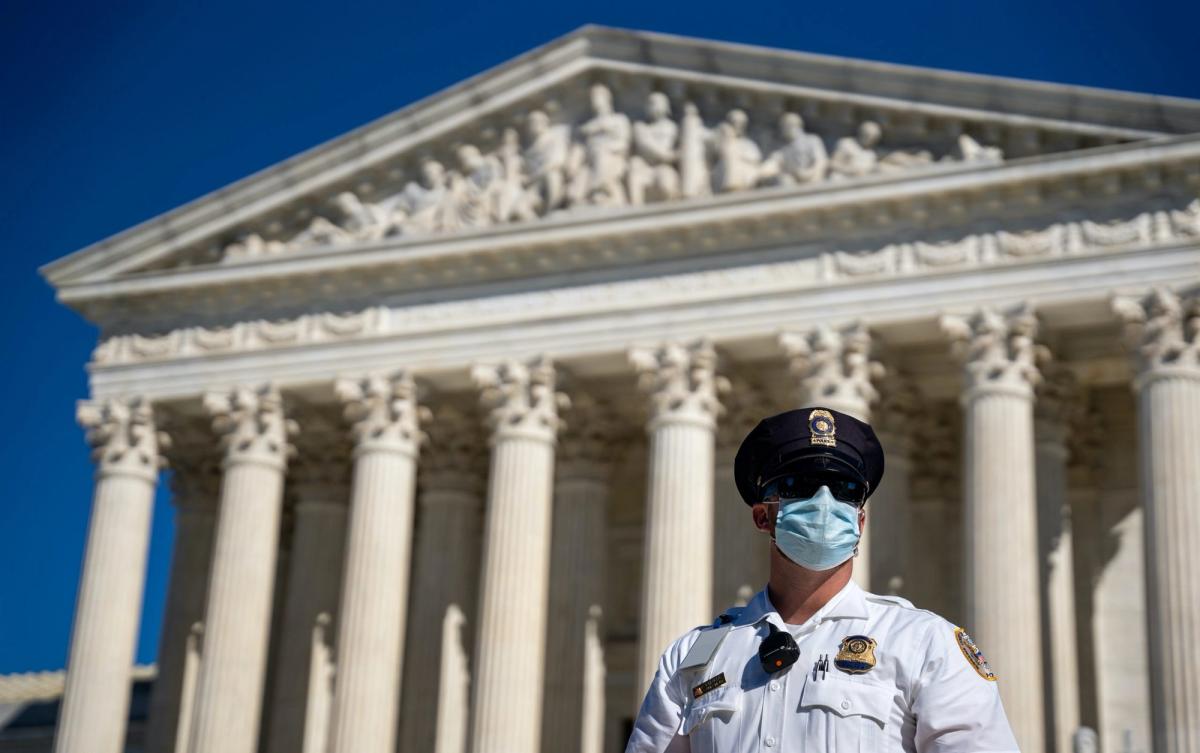
# Supreme Court Security Measures Face Legislative Scrutiny
Congress has moved to strengthen security protections for Supreme Court justices following threats and incidents targeting judicial officials. The legislation addresses gaps in federal law governing protection of sitting justices and their families.
The Secure Supreme Court Act, introduced in recent congressional sessions, expands the scope of criminal penalties for those who threaten, intimidate, or attempt violence against justices. Current federal statutes under 18 U.S.C. section 115 criminalize threats against federal judges, but the new measure clarifies application to Supreme Court justices specifically and strengthens enforcement mechanisms.
The bill responds to documented security breaches, including a 2022 incident where an armed man arrived at Justice Brett Kavanaugh's home in Maryland with intent to harm him. That incident, prosecuted under existing federal law, revealed coordination gaps between law enforcement agencies and the Supreme Court's protective services division.
Lawmakers argue the legislation closes jurisdictional ambiguities. The statute extends to threats made through interstate commerce and electronic communications. Enhanced penalties include mandatory minimum sentences for credible threats and attempted attacks. The measure also authorizes increased funding for the U.S. Marshals Service, which shares responsibility for justice protection with the Supreme Court Police.
Privacy advocates raised concerns about surveillance expansion. Some amendments proposed safeguards limiting collection of location data and communications metadata to cases involving imminent threats. These provisions reflect tension between security and Fourth Amendment protections.
Chief Justice John Roberts acknowledged security challenges in annual reports but emphasized the Court's institutional independence from executive branch protection decisions. The Administrative Office of U.S. Courts has resisted full merger with Marshals Service operations, citing concerns about political interference.
The legislation remains pending in committee. If enacted, it would establish the first comprehensive federal security statute exclusively addressing Supreme Court personnel. Current protections derive from appropriations riders and agency discretion rather than