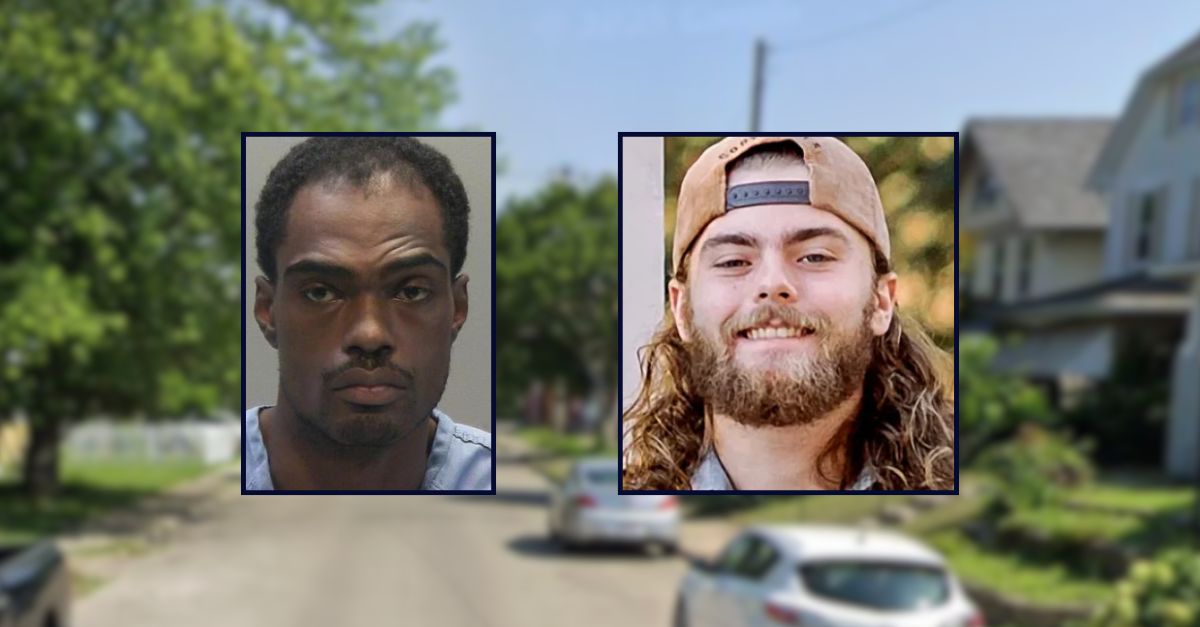
A man shot and killed a landscaper over grass clippings and dirt on his vehicle, despite the worker's offer to clean the car. The prosecuting attorney stated that "using a firearm to settle minor disputes is never acceptable," underscoring the severity of employing deadly force over a property dispute.
The case illustrates how disputes over minor property damage can escalate fatally when firearms enter the equation. The landscaper's proactive offer to remedy the damage by cleaning the vehicle demonstrated an attempt to resolve the matter peacefully. The shooter's response to this resolution attempt resulted in homicide charges.
This incident carries implications for both criminal liability and potential civil claims. The defendant faces murder or manslaughter charges depending on jurisdiction and whether prosecutors can prove premeditation or heat-of-passion elements. Most jurisdictions recognize that deadly force is legally justifiable only when the shooter faces imminent threat of death or serious bodily injury. A landscaping accident causing property damage does not meet this threshold under any U.S. state's self-defense statutes.
The case also raises questions about anger management and conflict de-escalation. The landscaper's willingness to repair damage he caused represented a reasonable business response. The homeowner's reaction reveals how readily available firearms can transform routine disputes into fatal confrontations.
From a civil standpoint, the landscaper's family may pursue wrongful death claims against the shooter's estate. Additionally, if negligent hiring or inadequate supervision contributed to the clippings landing on the car, claims might extend to the landscaping company itself, though the intentional criminal act likely breaks any such causal chain.
This tragedy underscores a persistent problem in American society: the accessibility of lethal weapons during moments of anger. Prosecutors use such cases to argue for stricter firearm regulations and mandatory cooling-off periods. Defense attorneys argue that responsible gun ownership requires restraint in exactly these situations.