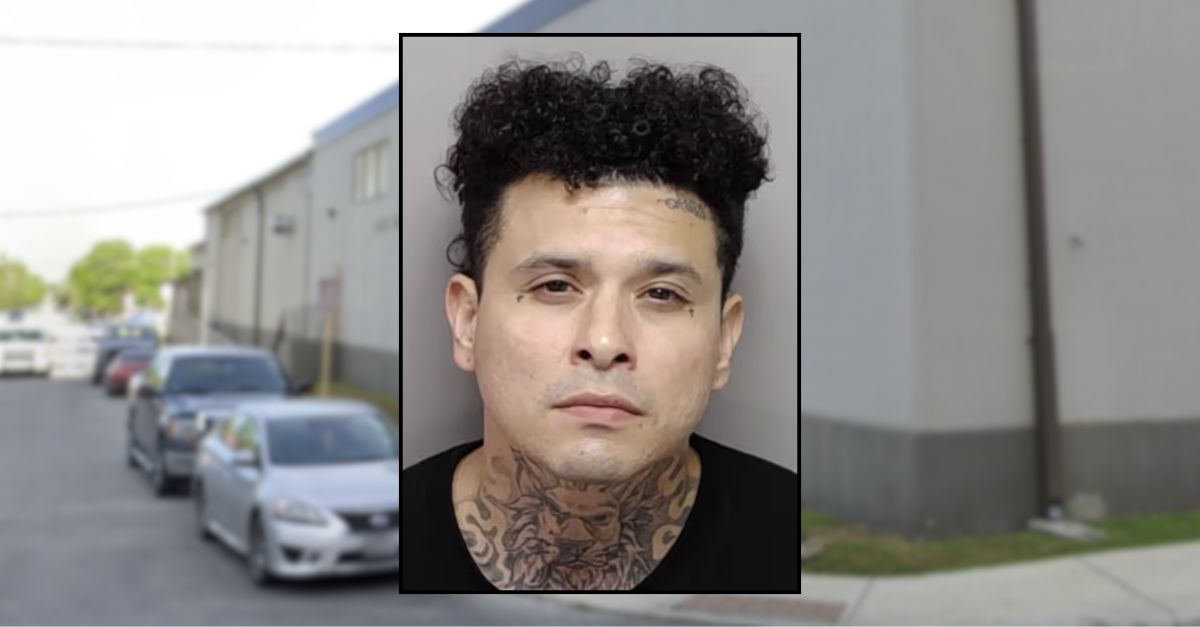
A man faces serious criminal charges after allegedly imprisoning his girlfriend in his home and threatening to kill her if she attempted to escape. According to police reports, the suspect, identified as Longoria, locked his girlfriend inside his house after only a few months of dating. He then allegedly stood in front of the door, displayed a firearm, and stated, "If you try to leave or escape, I'll kill you and your family."
The allegations describe conduct consistent with false imprisonment, a felony in most jurisdictions. False imprisonment occurs when a person intentionally confines another without lawful authority and without consent. The presence of a weapon and explicit death threats elevate the severity of the charges. Prosecutors will likely add charges for aggravated assault, brandishing a firearm, and potentially domestic violence and criminal threats, depending on the state's statutes.
The rapid escalation of control and violence within the early stages of the relationship represents a pattern of coercive control. Law enforcement and prosecutors recognize such behavior as an indicator of intimate partner violence. The defendant's actions trapped his girlfriend both physically and through intimidation.
The girlfriend's ability to escape and report the incident to authorities became the critical factor in her safety. Once law enforcement intervened, she gained protection through restraining orders and criminal prosecution.
Longoria's case will proceed through the criminal justice system. If convicted on multiple felony counts, he faces significant prison time. Conviction for false imprisonment alone carries substantial penalties. The addition of firearm offenses and threats will compound sentencing exposure.
The case underscores the dangers of intimate partner violence and the importance of recognizing warning signs early. Law enforcement agencies increasingly train officers to identify coercive control tactics as precursors to escalating violence. Community resources and domestic violence hotlines exist to help individuals experiencing such situations.