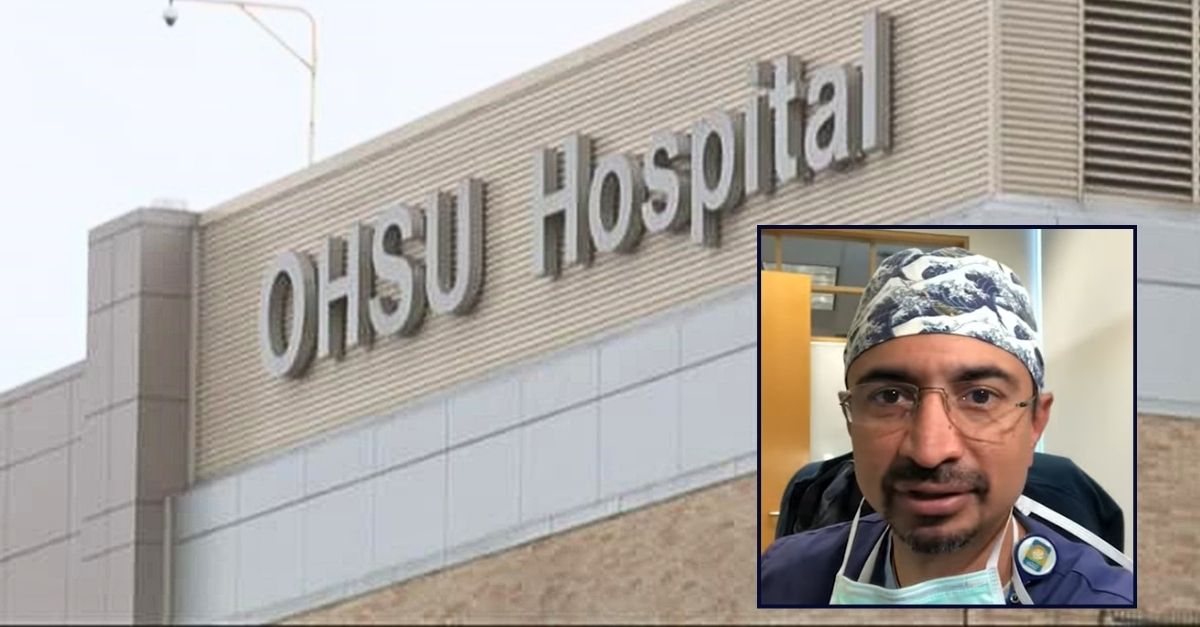
A 13-year-old Oregon girl nearly died after a pediatric surgeon implanted a heart valve upside down during corrective surgery, according to a civil lawsuit. The surgeon told the girl's parents the procedure went "very well," but the patient rapidly deteriorated within days as her heart valve malfunctioned.
The girl spent more than two weeks in critical condition fighting for her life following the surgical error. Hospital staff initially attributed her sudden decline to post-operative shock rather than acknowledging the valve installation mistake. The lawsuit alleges the medical team later requested permission to harvest the girl's organs as her condition worsened, apparently without fully disclosing the surgical error that caused her crisis.
The case raises serious questions about surgical competence, informed consent, and hospital accountability. Surgeons installing heart valves must position them correctly to ensure proper blood flow and cardiac function. An inverted valve prevents the heart from pumping effectively, creating life-threatening complications. The lawsuit suggests the surgeon failed to verify proper valve placement before closing the chest cavity.
The hospital's decision to attribute the patient's deterioration to normal post-surgical shock, rather than investigating the root cause, delayed appropriate intervention. This delay extended the girl's suffering and increased the risk of permanent organ damage or death. The allegation that staff sought organ donation without fully disclosing the surgical error compounds the breach of trust.
Medical malpractice claims against surgical teams typically require proving negligence, causation, and damages. Courts examine whether the surgeon's conduct fell below the standard of care that a competent pediatric cardiac surgeon would provide. An inverted heart valve constitutes an objectively identifiable error that deviates sharply from accepted surgical practice.
This case highlights the importance of surgical verification procedures, including intraoperative imaging or direct visualization to confirm correct valve positioning. Hospitals implement these safeguards to catch errors before closure. The lawsuit serves as