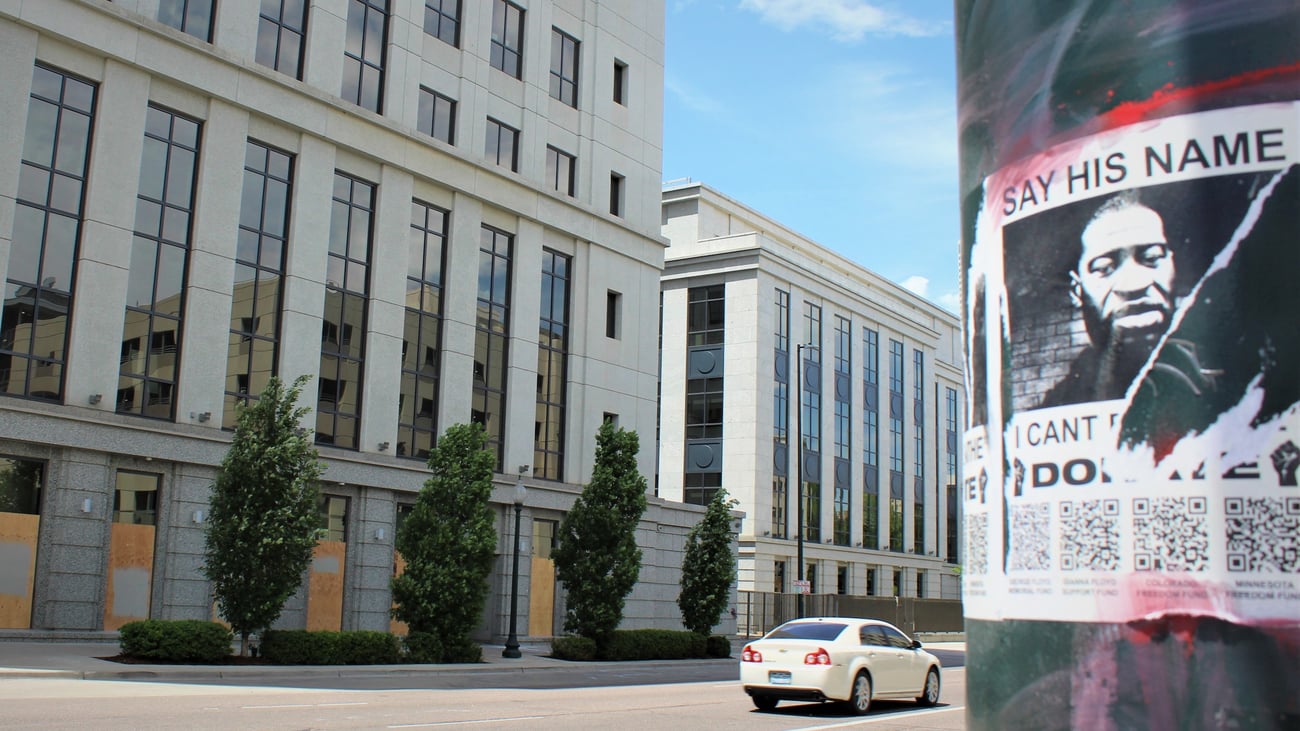
Denver filed an emergency petition with the Supreme Court asking the justices to block a $14 million settlement payment to George Floyd protesters who sued the city over police conduct during 2020 demonstrations. The city claims it faces financial hardship and cannot afford the payout at this time.
The settlement stems from lawsuits filed by protesters arrested or injured during police responses to racial justice demonstrations following George Floyd's death in Minneapolis. According to Denver, approximately $22 million in total settlements have already been paid to protesters in related cases, straining the municipal budget.
Denver's petition argues the city should not be required to make the $14 million payment while it addresses its broader fiscal crisis. The city contends that releasing such a substantial sum would harm essential public services and violate its fiduciary obligations to taxpayers.
The protesters' legal representatives countered that Denver negotiated the settlement in good faith and now attempts to avoid its obligations by claiming financial distress. They argue the city's budget problems do not override the court's authority to enforce settlement agreements or justify breaching contractual commitments.
The case reflects ongoing tensions between municipalities and civil rights advocates over police accountability. Denver has faced numerous lawsuits from protesters detained or injured during the 2020 demonstrations. The accumulated settlements reveal the substantial financial costs cities face when courts find police conduct violated constitutional protections or city ordinances.
The Supreme Court must decide whether Denver's claimed fiscal emergency justifies halting payment of a judicially approved settlement. The decision carries implications for other cities facing similar budget constraints and multiple police misconduct claims. If SCOTUS grants Denver's petition, it could establish precedent allowing municipalities to delay settlement payments based on financial hardship. If rejected, the city likely must proceed with the $14 million payout despite its budget concerns.