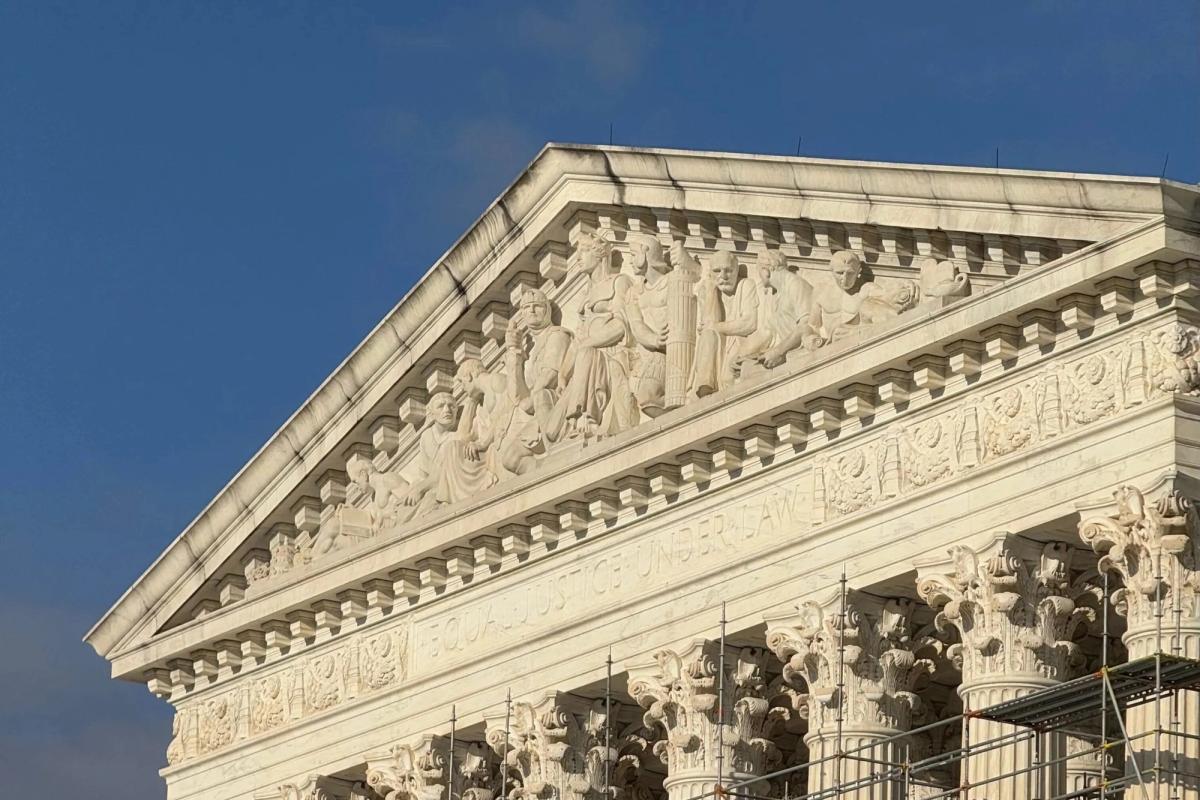
A federal court faces a request to block Alabama from using its preferred congressional district map in upcoming elections. The challenge centers on whether the state's redistricting plan violates the Voting Rights Act or the Constitution by diluting Black voter power in a district that should lean Democratic.
Plaintiffs argue Alabama's map cracks or packs Black voters across multiple districts to reduce their electoral influence. The map in question emerged from Alabama's 2020 census redistricting process. State officials defend the plan as compliant with all legal requirements and deny intentional discrimination.
The case implicates Section 2 of the Voting Rights Act, which prohibits voting practices that result in discrimination based on race or color, regardless of intent. Courts must examine whether members of a protected class have less opportunity to participate in the political process and elect candidates of choice. Alabama's demographics, voting patterns, and historical context factor heavily into this analysis.
The remedy sought would require Alabama to redraw districts before the next election cycle, a disruptive but not uncommon outcome when courts find violations. Such orders typically grant states a deadline to submit revised maps for judicial approval.
Separately, the court docket now includes a case on the First Step Act, the 2018 criminal justice reform law that reduced mandatory minimum sentences and expanded rehabilitation programs. Details on the specific legal question remain limited from available information, but such cases often address eligibility criteria for sentence reduction or the law's application to particular defendant categories.
Both cases reflect ongoing tensions in voting rights enforcement and criminal sentencing reform. The Alabama redistricting dispute continues a pattern of litigation over post-2020 maps nationwide. Courts have blocked similar plans in other states on comparable grounds. The First Step Act case suggests continued interpretation debates about statutory language and prosecutor obligations under the law.