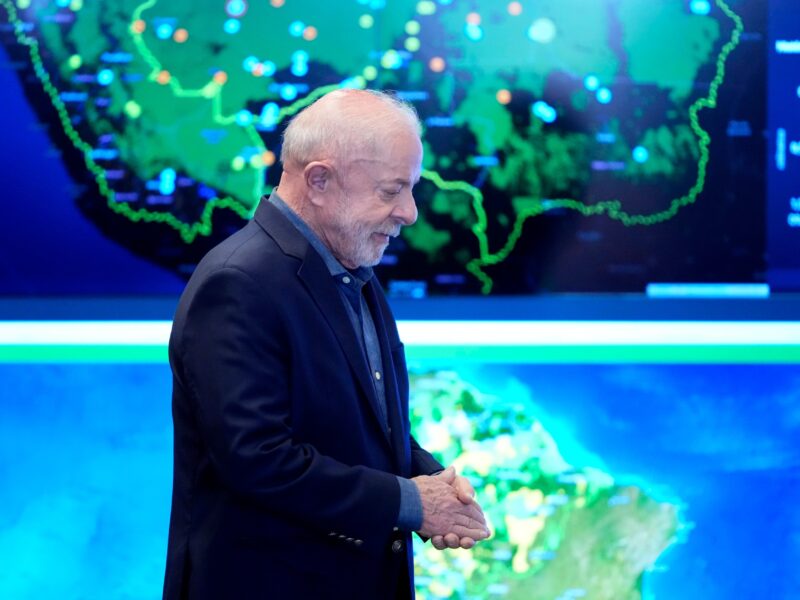
Brazil released data showing a decline in Amazon deforestation rates, directly countering U.S. accusations that the country has failed to protect the rainforest. The announcement arrives amid escalating trade tensions, with the United States threatening tariffs against Brazilian imports over environmental concerns.
Brazil's government reported a measurable decrease in forest loss across the Amazon region, arguing the figures demonstrate effective conservation efforts and environmental stewardship. The timing of the disclosure proves strategic, as deforestation remains the primary driver of Brazil's greenhouse gas emissions and contributes significantly to global climate change.
The dispute reflects broader friction between Washington and Brasília over environmental policy and trade obligations. The U.S. has leveraged tariff threats as pressure to accelerate Brazil's deforestation reduction efforts, framing environmental protection as a trade negotiation tool. Brazil contests this approach, asserting that the country has implemented substantive policies and achieved measurable results without external coercion through punitive tariffs.
Deforestation in the Amazon carries legal implications beyond environmental law. International climate agreements, including the Paris Agreement framework, establish expectations for signatory nations to reduce emissions from land use and forestry. Brazil's legal obligations under these treaties inform domestic environmental policy and international trade relations.
The conflict exposes tensions between trade law and climate obligations. While the World Trade Organization generally permits tariffs on environmental grounds under specific conditions, the application remains contested. Brazil could challenge U.S. tariffs through WTO dispute settlement mechanisms, arguing protectionism disguised as environmental enforcement.
For businesses operating in Brazil or importing Brazilian goods, the dispute carries tangible consequences. Threatened tariffs could increase costs for agricultural products, beef, and other exports. Brazilian companies face uncertainty over market access and pricing stability as negotiations continue.
The legal dispute also signals how environmental metrics increasingly function as trade leverage. Nations may dispute deforestation data, measurement methodologies, and enforcement effectiveness. Brazil