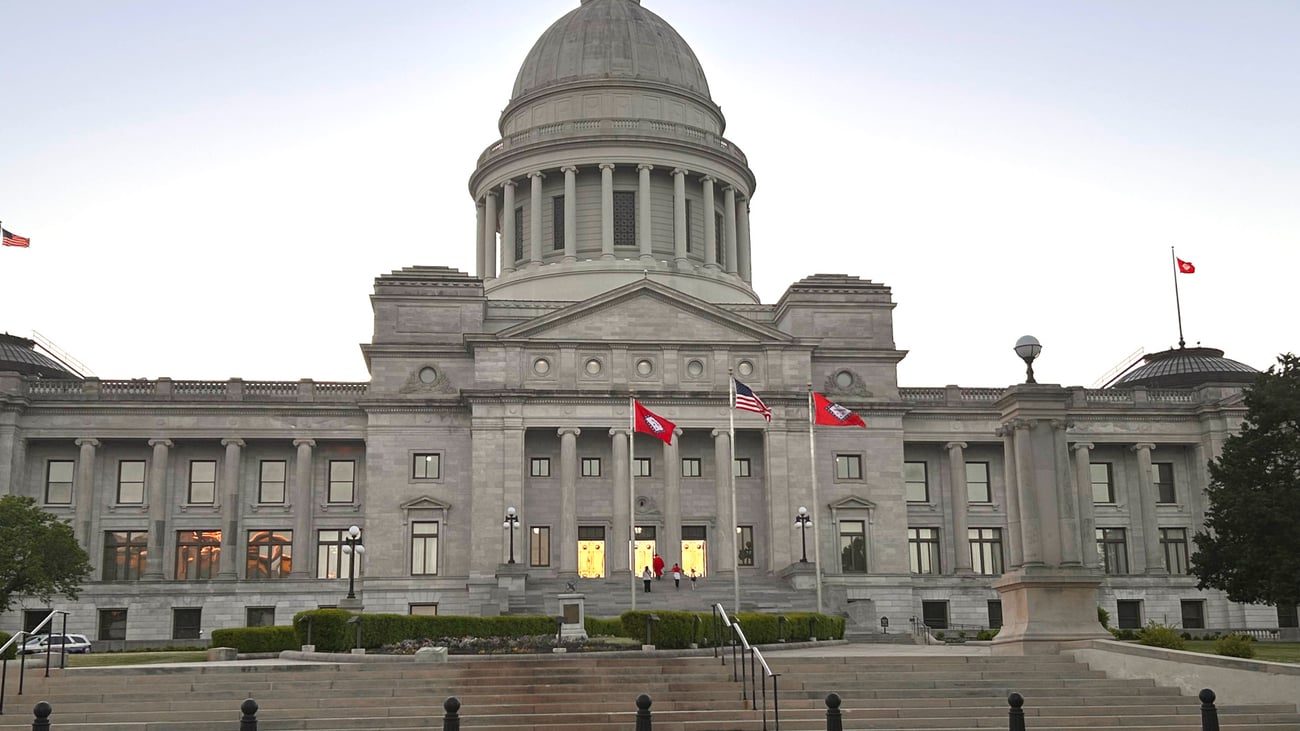
Arkansas has asked the U.S. Court of Appeals for the Eighth Circuit to revive a state law that would penalize librarians for making books deemed "harmful to minors" available to young readers without parental consent.
The state frames the statute as a child protection measure and asserts it regulates government speech. Arkansas contends that public libraries function as state actors whose collection decisions constitute government speech, not private expression, and therefore the state retains authority to control what materials they offer.
A lower federal court blocked the law, finding it violated the First Amendment. The decision concerned both librarians and booksellers, who argue the statute effectively criminalizes the availability of books and enables viewpoint discrimination based on content.
The law requires librarians to restrict access to materials deemed harmful based on contemporary community standards, without clear definitions of what constitutes "harmful." Critics contend this vagueness invites selective enforcement targeting books addressing sexuality, gender identity, race, and other controversial topics.
Librarians and booksellers opposed to the law argue it violates their First Amendment rights and the First Amendment rights of library patrons seeking access to protected speech. They contend the statute transforms public libraries from neutral repositories of information into instruments of government censorship.
The case turns on competing constitutional principles. Arkansas invokes its authority to manage public institutions and protect minors from inappropriate content. The challengers invoke established precedent that public libraries serve as forums for free expression and that removing books based on viewpoint or content triggers strict constitutional scrutiny.
The Eighth Circuit will determine whether the law survives constitutional challenge. A ruling in Arkansas's favor would empower states to broadly regulate library collections. A ruling against the state would reinforce that librarians retain discretion to develop diverse collections and that content-based restrictions on adult access to books face steep constitutional barriers.
This dispute reflects broader national tensions over book availability in schools and public libraries, with