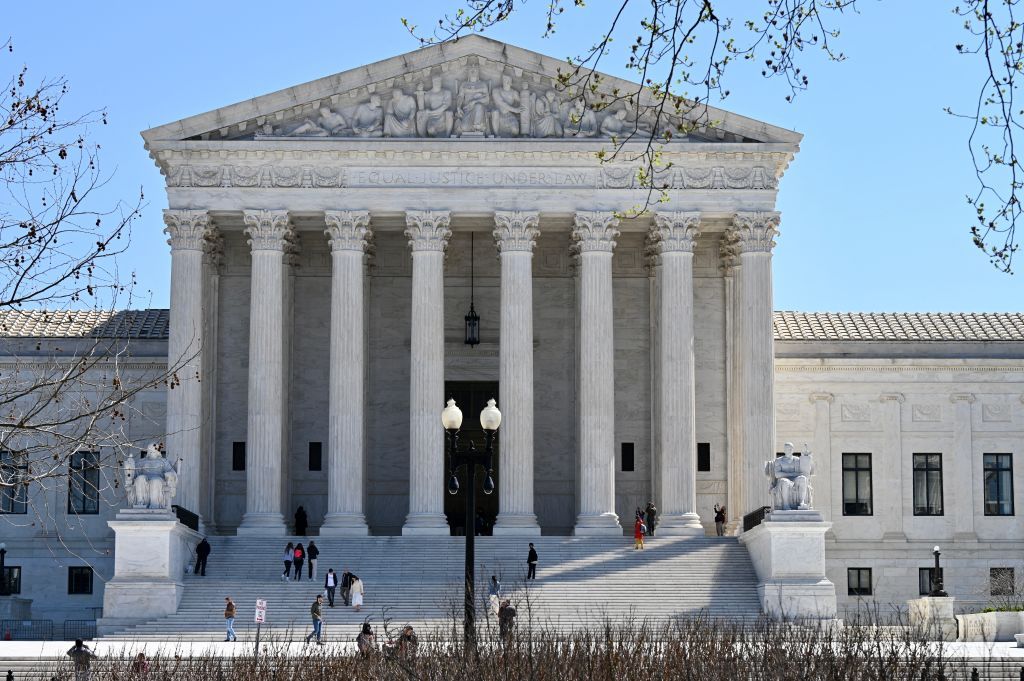
The U.S. Supreme Court faces pressure to affirm a lower court's finding that Alabama's congressional district map violates the Voting Rights Act by packing Black voters into districts in a racially discriminatory manner. A federal district court previously ruled that the state's current map cracks and packs minority voters in ways that dilute their electoral power and violate Section 2 of the Voting Rights Act.
Alabama has defended its map, arguing that it complies with traditional redistricting principles and reflects legitimate political considerations rather than racial animus. The state contends that Democratic partisanship, not race, drove the challenged districts.
Voting rights advocates and civil rights organizations have urged the Court to reject Alabama's arguments and uphold the lower court decision. They argue the evidence demonstrates intentional racial discrimination in the redistricting process. The case implicates fundamental questions about vote dilution, minority representation, and the enforceability of Section 2 of the Voting Rights Act following the Supreme Court's 2013 decision in Shelby County v. Holder, which struck down the preclearance requirement.
The practical stakes extend beyond Alabama. A ruling upholding the lower court could strengthen enforcement mechanisms for vote dilution claims nationwide and establish clearer standards for challenging maps in federal court. Conversely, a decision favoring Alabama might narrow the scope of Section 2 claims and make it harder for plaintiffs to challenge maps on racial discrimination grounds.
The Supreme Court's decision will shape congressional representation for millions of voters and determine whether federal courts retain meaningful power to police racial gerrymandering under the remaining provisions of the Voting Rights Act. Oral arguments or a decision could arrive within months, depending on the Court's docket.