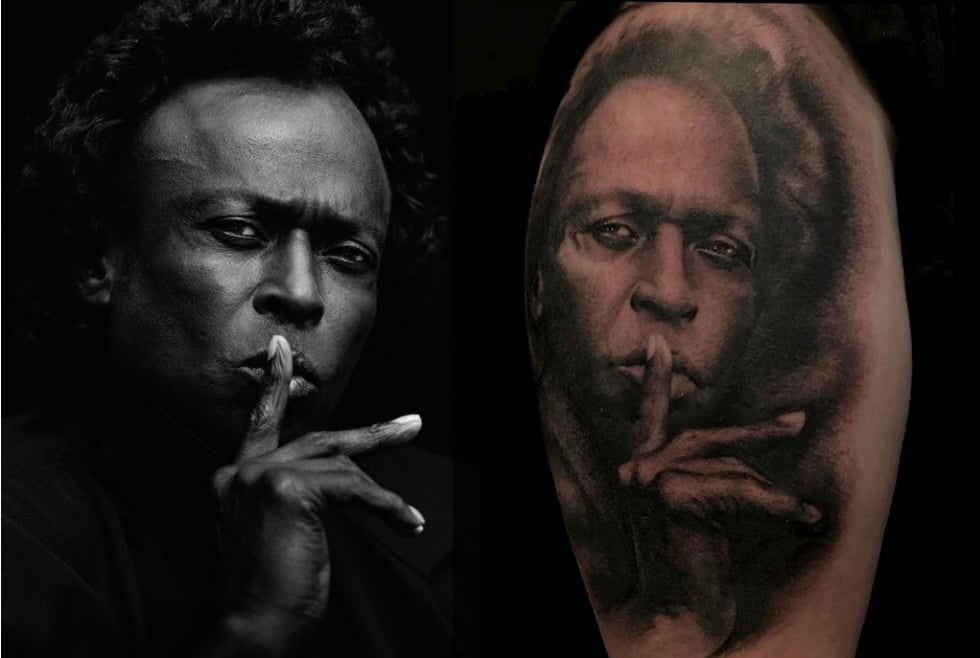
The United States Court of Appeals for the Ninth Circuit will hold an en banc hearing in September to reconsider its legal framework for evaluating copyright infringement claims in a dispute involving tattoo artist Kat Von D and a Miles Davis portrait tattoo. The full court of 11 judges will examine whether the existing test adequately addresses copyright protection in the tattoo context.
This case centers on whether a copyrighted image of jazz musician Miles Davis, when reproduced as a tattoo on Von D's client, constitutes infringement. The Ninth Circuit's current doctrine for assessing infringement liability may need revision to account for the unique nature of tattoo art and how copyright law applies when original artwork is transformed into permanent body art.
The en banc review represents a significant development because it signals the court's recognition that the existing precedent may be inadequate for modern copyright disputes. The panel's decision to expand the hearing from a three-judge appellate panel to the full court suggests substantial disagreement about how copyright doctrine should function in cases involving derivative artistic works.
The legal test at issue affects how courts evaluate whether copying occurred, whether the copied portions were substantial, and whether fair use protections apply. Tattoo artists, photographers, and other creatives face practical implications depending on how the Ninth Circuit resolves the test. The ruling could determine whether reproducing copyrighted images as tattoos requires permission from copyright holders or qualifies as transformative fair use.
Von D, known for her reality television show and prominent tattoo portfolio, operates in an industry where reproducing existing artwork is common practice. The September hearing will require the court to balance copyright holders' interests in controlling their work's reproduction against tattoo artists' ability to create custom body art based on clients' preferences.
This case also implicates broader questions about copyright in the digital age and how traditional infringement doctrine applies to emerging artistic practices. The outcome