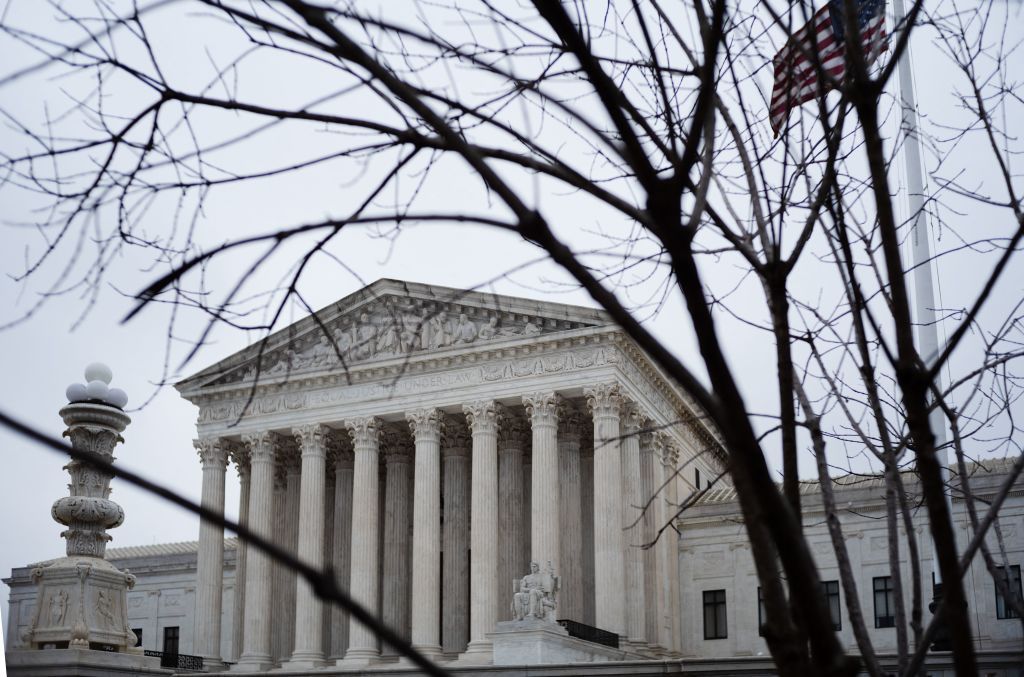
# Court Rejects Broad Interpretation of Compassionate Release Statute
The Supreme Court has narrowed the scope of the federal compassionate release statute, rejecting arguments that would have expanded relief for incarcerated individuals seeking early release on humanitarian grounds.
The case centered on 18 U.S.C. section 3582(c)(1)(A), which permits federal judges to reduce sentences for extraordinary and compelling reasons. The statute previously required defendants to exhaust administrative remedies through the Bureau of Prisons before filing motions in court, a requirement the Court removed in 2021 under First Step Act amendments.
Prosecutors and the Justice Department argued for restrictive interpretation of what constitutes "extraordinary and compelling" circumstances. The lower courts had granted some compassionate release motions based on factors including advanced age, serious medical conditions, and lengthy sentences relative to the crime severity.
The Supreme Court sided with the government. The majority opinion rejected reading the statute to permit broad equitable releases. The Court held that judges must apply stringent standards when considering compassionate release, emphasizing that Congress intended the provision as a narrow exception to mandatory sentences rather than a general reconsideration mechanism.
Justice Samuel Alito wrote that district courts cannot substitute their judgment for sentencing guidelines absent truly exceptional circumstances. The decision bars judges from weighing general inequity in sentencing or giving significant weight to rehabilitation prospects.
The ruling limits relief for aging prisoners, those with terminal illnesses, and individuals whose offenses no longer reflect contemporary sentencing practices. Prison advocates argued the decision contradicts the First Step Act's intent to reduce mass incarceration.
The decision applies nationwide to all federal sentences and controls how federal courts process the roughly 1,200 compassionate release petitions filed annually. Individuals already granted relief retain their reduced sentences, but new applicants face substantially higher barriers to obtaining early release on humanitarian grounds.
CATEGORY