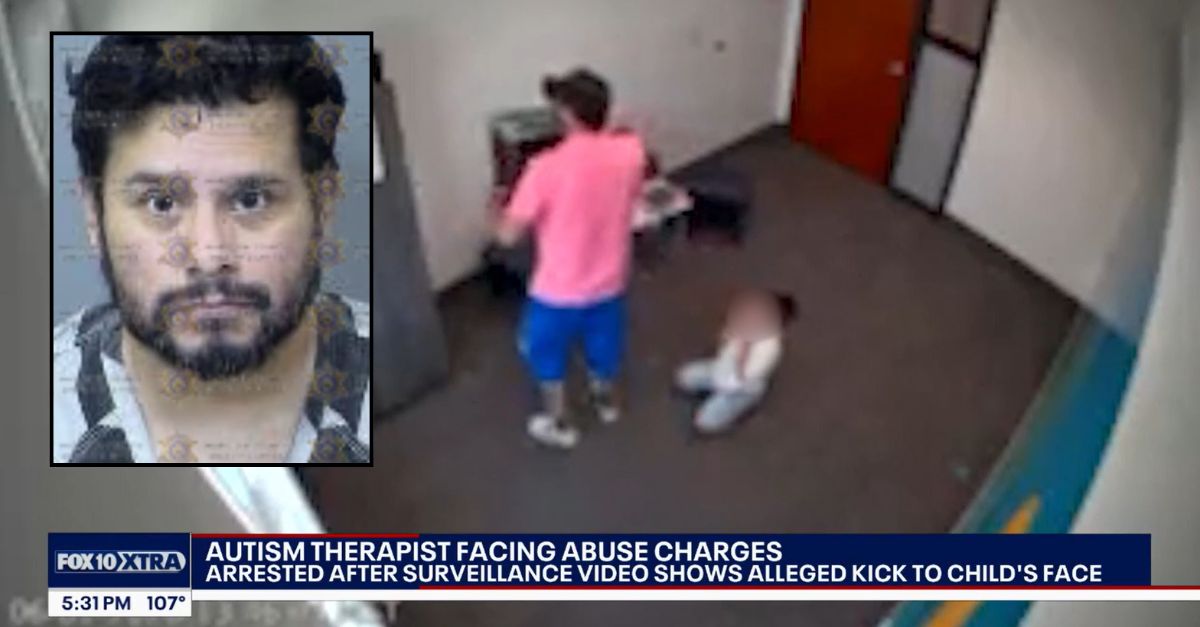
An Arizona behavioral therapist faces assault charges after police say video evidence contradicted his claim that he accidentally kicked a five-year-old with autism in the head.
The therapist, who worked with children with special needs, allegedly kicked the child during a session. When questioned, he told authorities the contact was accidental. Video footage from the facility, however, showed the kick was intentional, according to police investigators.
The incident raises serious concerns about oversight in the behavioral therapy field, particularly for vulnerable populations like children with developmental disabilities. Behavioral therapists work in clinical and educational settings to help modify problematic behaviors through evidence-based techniques. Their access to children during one-on-one sessions requires strict protocols and monitoring.
Arizona law classifies assault on a minor as a felony offense. The state defines child abuse broadly to include physical abuse that causes or is likely to cause serious physical injury. Conviction carries significant prison time and mandatory registration on Arizona's child abuse central registry, which prohibits future work with children.
The case underscores why video surveillance in therapy spaces serves dual purposes. It documents treatment progress while protecting both children and practitioners. Many behavioral health facilities now maintain recording systems to guard against allegations of misconduct and to identify actual abuse.
For families of children with autism and other developmental disorders, this incident highlights the need for rigorous background checks, credentialing verification, and facility oversight. Parents should inquire about surveillance systems, staff training in appropriate physical boundaries, and complaint procedures before enrolling their children.
The therapist's employment status with the facility was not immediately disclosed. Licensing authorities in Arizona investigate complaints against behavioral health professionals through the state's regulatory boards. A conviction would likely result in permanent license revocation and disqualification from future work in the field.
The case remains under investigation. Charges have not been officially confirmed in available reports, but law enforcement presented the evidence to prosecutors for charging decisions.