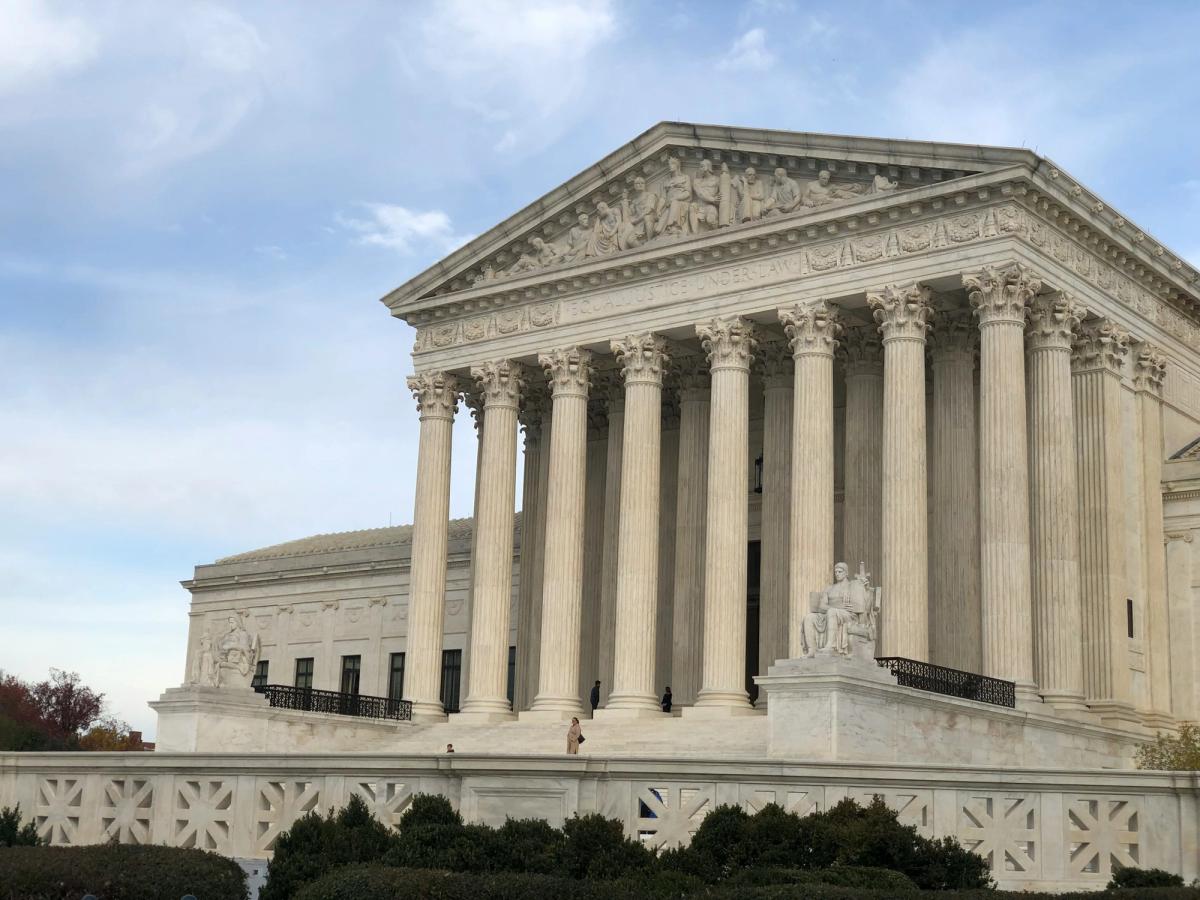
The Supreme Court has narrowed the scope of the First Step Act, a 2018 criminal justice reform statute designed to reduce sentences for federal prisoners. In a decision that limits prisoners' ability to challenge their convictions and sentences, the Court restricted how broadly inmates can apply the law's sentencing reduction provisions.
The First Step Act allows courts to impose sentences below mandatory minimums in certain drug trafficking cases. The statute requires judges to consider whether a defendant qualifies for relief based on specific criteria, particularly prior convictions categorized as "violent felonies." The Supreme Court's ruling constrains how courts interpret which prior convictions trigger eligibility for sentence reductions, making it harder for federal prisoners to demonstrate they meet the law's requirements.
This decision undermines the Act's core purpose. Congress passed the First Step Act with bipartisan support to address mass incarceration in federal prisons. The statute represented rare common ground between criminal justice reformers and conservative policymakers, providing a pathway for sentence modifications without requiring formal resentencing hearings in many cases.
The Court's interpretation imposes technical requirements on prisoners seeking relief. Inmates must now navigate stricter definitions of prior convictions and prove their eligibility more rigorously. Defense attorneys report increased difficulty securing favorable outcomes for clients with otherwise qualifying cases.
For the federal prison system, this ruling preserves longer sentences for thousands of inmates who otherwise might have qualified for reductions. Federal prosecutors gain leverage in plea negotiations, knowing courts face higher bars for approving sentence modifications. The decision also signals the Court's reluctance to expand statutory protections beyond their literal text, even when Congress intended broader relief mechanisms.
Criminal justice reform advocates view the ruling as a setback. The First Step Act already faced criticism for limited scope. This Supreme Court decision further restricts access to its benefits, particularly affecting low-income defendants and those without resources for sophisticated legal challenges.
The practical effect reaches beyond individual