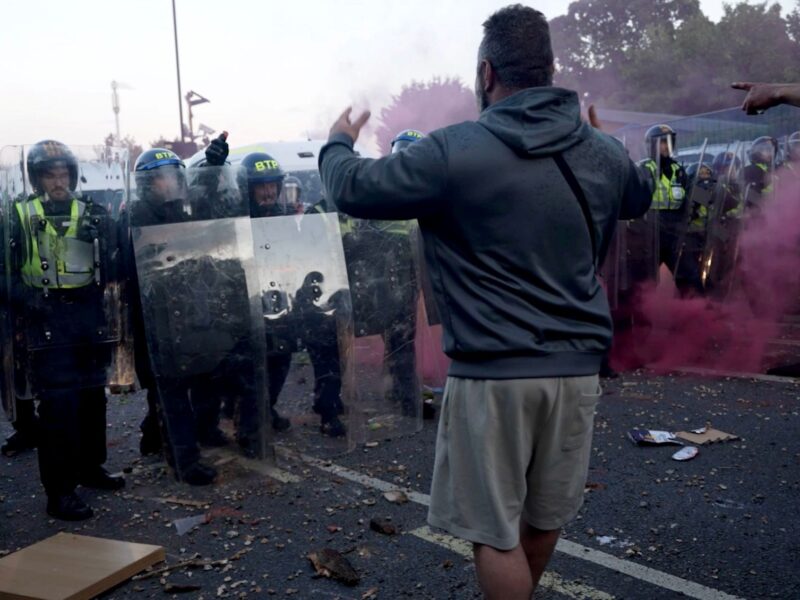
A stabbing incident in Belfast has triggered calls for calm and sparked protest activity, occurring within a broader context of immigration tensions in United Kingdom politics.
The incident comes as immigration debates intensify across the UK. The far-right Reform UK party has gained polling momentum, partly driven by anti-immigration sentiment. Political leaders have appealed for restraint following the attack, described as "sickening" by officials.
The stabbing exposes how violent crime intersects with immigration discourse in British politics. When crimes involve immigrants or perceived immigration issues, they frequently become flashpoints for political mobilization. Far-right groups leverage such incidents to advance anti-immigration narratives and recruit supporters.
The Belfast case illustrates this dynamic. The attack prompted immediate calls for public order, suggesting authorities anticipated potential escalation or retaliatory action. Protest movements emerged, indicating the incident exceeded typical crime coverage to become a flashpoint for broader political grievances.
Reform UK's polling rise reflects growing voter concern about immigration policy, border security, and cultural integration. The party has capitalized on public anxiety about these issues, positioning itself as tougher on immigration than traditional Conservative or Labour positions.
For law enforcement, incidents like the Belfast stabbing create dual challenges. Police must investigate the crime itself while simultaneously managing public order concerns and preventing the incident from becoming a catalyst for hate crimes or community tensions. Appeals for calm from political and civic leaders serve to de-escalate potential violence and discourage opportunistic protest movements.
The legal and political landscape surrounding immigration-related incidents now requires careful handling. Criminal investigations must proceed independently of political debate, yet public discourse inevitably influences community responses and potential vigilante action. Courts may face charges ranging from the stabbing itself to secondary offenses like assault or incitement emerging from subsequent protests or demonstrations.
This case demonstrates how violent crime in divisive political environments demands swift, clear communications from law enforcement and elected officials to prevent escalation beyond the